



Freedom of the Press is the fundamental right of journalists, news organisations and citizens. The freedom not only lies in covering the day to day happenings in the nation and its governance
but digging out abuses of power, corruption, crime and corporate wrong doing.
The list of such investigative reporting is long, both at home and abroad. If the Watergate stories saw the removal of a President, the Bofors investigation led to a change of a government which had come to power with an unprecedented majority.
The process of digging out the details of a scam is no cakewalk. It involves receipt of threats and slapping of law suits by those not seeking unmasking their misdeeds or that of the organisation that belong to.
Protection of sources is part and parcel of the investigative reporting process. And those fearful of being caught with their hands in the till are more than willing to stifle these sources who are also referred to as moles in journalistic parlance.
A threat to the entire process seems to be round the corner. It is posed by certain sections of Digital Personal Data Protection Act.
Union minister for information and broadcasting, Ashwini Vaishnaw has tried to pour oil on troubled waters. He has stated that the DPDP Act has not been crafted with any intent to hurt press freedom.
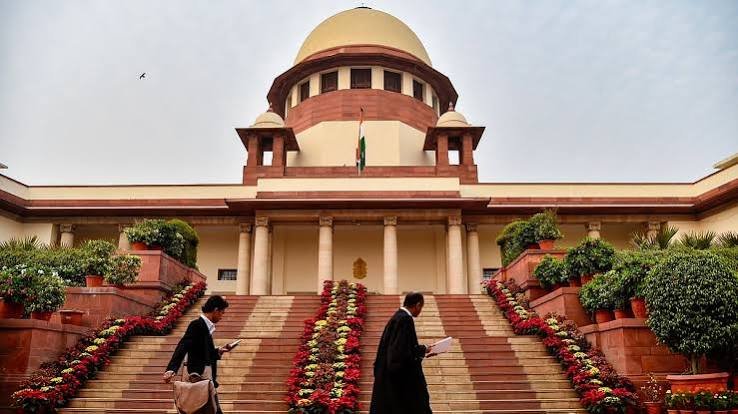
His assurance has cut no ice. The matter is before the apex court now.
A petition has been filed in the Supreme Court by 21 major Indian broadcasters and publishers against some contentious of the DPDP Act. It aims to protect the privacy of individuals.
This is more than a battle between the media industry and the government. It is a battle for the idea of journalism itself.
It is also for the role of media in democracies like India. The infamous Emergency may be a distant memory but it is certainly not a forgotten chapter.
The idea behind giving the individuals the right to decide whether information about them can be shared digitally and publicly is welcome. But one must not lose sight of the fact that this is an age where digital technology has progressed so fast and so far that the means of surveillance, fraud and identity theft and impersonation is often a step ahead of the tools that law enforcement agencies posses to tackle these crimes.
The advocates for DPDP Act are quick to state similar legislation exist in democracies like Britain, Singapore, European Union. But unlike these countries, the DPDP Act raises obstacles for journalists seeking to uncover wrong doing.
Obviously, people with influence who carry out acts which they are aware are wrong do not want public focus on it. Disclosure of their wrongdoing is the last thing they desire.
The media houses before the apex court contend that the current nature of law, if strictly interpreted kill investigative journalism. This end can be achieved by an attack on public’s right to transparency and accountability from the wielders of power.
Minister Vaishnaw has assured that the government recognises the constitutional guarantee of the freedom of the Press. Yet the absence of that clarity in the law itself open to misuse.
Media houses or journalists being dragged to court in frivolous cases by powerful interests are common. These litigations eventually fall apart.
.
But they drain the time and resources of the defendants during their pendency. DPDP Act can be similarly abused to target or threaten journalists and their organisation over investigative reporting.
Media organisations and journalists are already under severe economic and structural pressure the world over. But this issue is much more than their survival.
A murderous attack on investigative journalism is apprehended. It has to be alive and kicking to dig out facts which are unpleasant but essential for vibrant journalism and health of democracy.

