



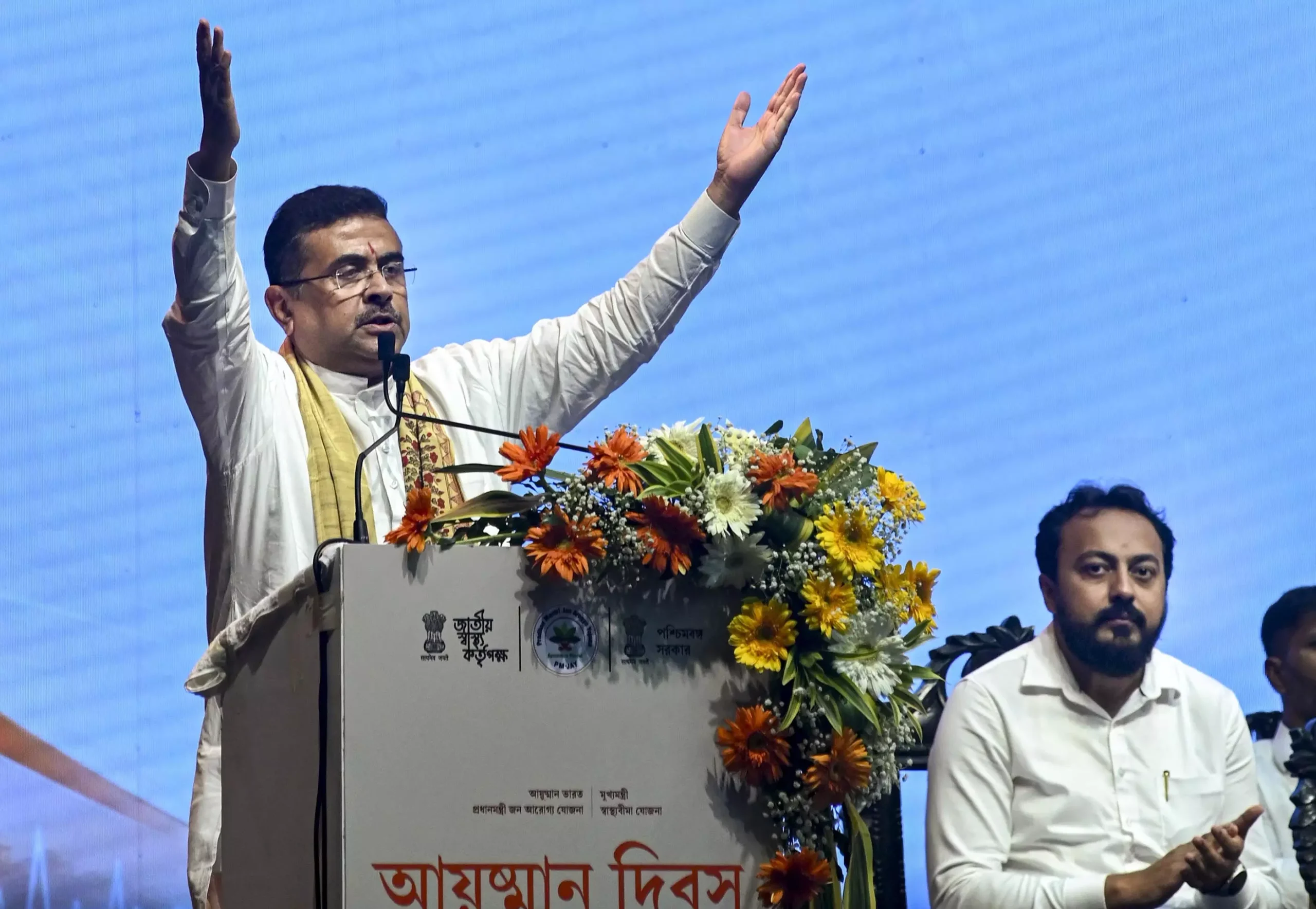
West Bengal Chief Minister Suvendu Adhikari is set to face a crucial test before the people as his government approaches its first year in office. After the Bharatiya Janata Party’s historic victory in the 2026 Assembly elections, Adhikari became the first BJP Chief Minister of West Bengal, taking oath on May 9, 2026.
The first year of any government is often seen as a period of promises, planning and early implementation. For Adhikari, however, the expectations are particularly high because his government came to power after a long period of Trinamool Congress rule. The change in government created hopes among supporters for better administration, greater transparency and stronger action against corruption.
Since taking charge, Adhikari has repeatedly stressed administrative discipline and citizen-focused governance. In his first public hearing, or Janata Darbar, he interacted with people and listened to their grievances. His government also highlighted measures against corruption, syndicates and alleged mafia networks.
One of the major areas where the new government will be judged is employment. West Bengal has witnessed serious controversies over government recruitment, particularly after the teacher recruitment scam. The Adhikari government has promised changes in the recruitment process, including greater transparency in examinations, reduced importance of interviews and the provision of carbon copies of OMR answer sheets to candidates.
Administrative reform is another important challenge. While addressing West Bengal Civil Service officers, Adhikari said that government officials should not be used for political purposes and emphasised the need to restore professionalism in the administration. He also argued that corruption and political pressure had affected parts of the state machinery under the previous government.
The government will also be judged on its ability to improve law and order, employment opportunities, public services and economic conditions. Analysts have identified law and order, communal harmony and the state’s financial challenges among the major issues confronting the new administration.
For ordinary people, however, political promises will matter less than visible changes in daily life. Students will look for employment opportunities, job aspirants will expect fair recruitment, families will want better public services, and businesses will seek a stable environment.
Adhikari’s first year will therefore be more than a political milestone. It will be an opportunity for the people of West Bengal to compare promises with performance. His government won a historic mandate, but maintaining public confidence requires continuous delivery.
As the first anniversary approaches, the real question will not simply be whether the government has introduced new policies, but whether those policies have improved people’s lives. Ultimately, the people of West Bengal will have the final say on whether Suvendu Adhikari has passed his first major test in office.

