



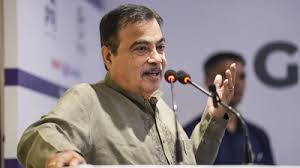
In an ambitious move to secure energy independence, Union Road Transport and Highways Minister Nitin Gadkari announced on April 21, 2026, that India should aim for 100% ethanol blending in the near future to eliminate its massive ₹22 lakh crore annual fossil fuel import bill. This strategic shift, presented during a green transport event in New Delhi, seeks to leverage India’s domestic agricultural surplus to shield the nation from volatile global oil markets exacerbated by ongoing West Asia tensions. By transitioning from the current 20% blending mandate (E20) to higher concentrations, the government intends to transform farmers into “energy providers” while significantly cutting vehicular emissions.
The push for 100% ethanol—or E100—follows the successful ahead-of-schedule rollout of E20 fuel, which became mandatory across all Indian states and union territories on April 1, 2026. To support this transition, the government is incentivising the manufacturing of flex-fuel vehicles (FFVs) and 100% ethanol-powered generators. Industry bodies like the All India Distillers’ Association have already expressed readiness to supply higher blends, even proposing an intermediate 30% mandate to maintain momentum.
However, the path to a 100% blend presents substantial technical and logistical hurdles. Standard internal combustion engines are not designed for high alcohol content, which can corrode seals and hoses in non-compatible models. While newer vehicles produced after 2023 can tolerate minor increases, a total shift requires a rapid overhaul of automotive manufacturing to produce dedicated FFVs. Additionally, experts raise concerns over the “food vs. fuel” debate, as reaching such high targets necessitates a massive increase in the cultivation of water-intensive crops like sugarcane and maize.
Despite these challenges, the economic and environmental rewards remain a primary driver. Ethanol blending has already saved India over ₹1 lakh crore in foreign exchange and reduced Co2 emissions by 544 lakh metric tons. As the government prepares new Corporate Average Fuel Efficiency (CAFE III) standards for 2027, the focus remains firmly on making India a global leader in the “Ethanol Era”.

