



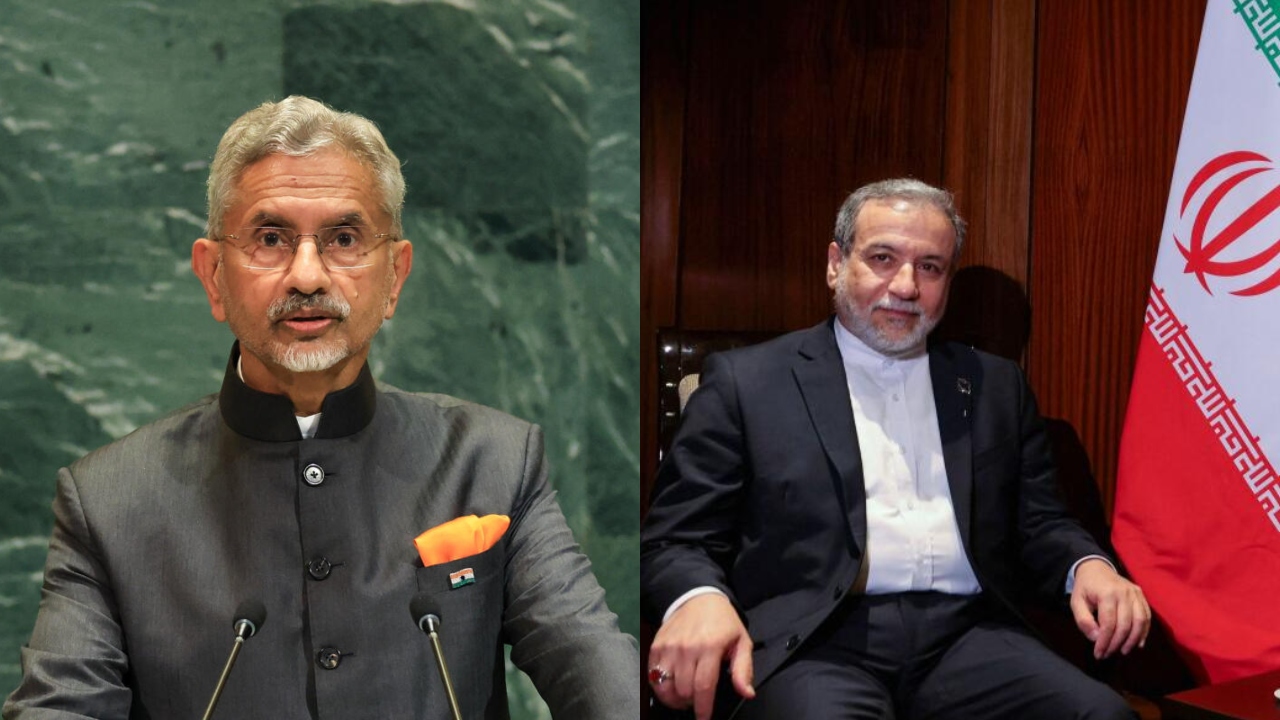
Iranian Foreign Minister Seyed Abbas Araghchidialled External Affairs Minister S. Jaishankar on Wednesday, April 29, 2026, to discuss the deteriorating security situation in West Asia after peace talks in Islamabad failed to secure a permanent end to hostilities. The high-level telephonic conversation, the latest in a series of engagements since the regional conflict ignited on February 28, focused on fragile ceasefire developments, maritime security in the Strait of Hormuz, and bilateral cooperation. The outreach followed Araghchi’s diplomatic tour of Pakistan, Oman, and Russia, aimed at gathering regional support as the U.S. blockade of Iranian ports and counter-restrictions on shipping lanes continue to disrupt global energy markets.
The call occurs at a precarious juncture where the temporary “indefinite” ceasefire extended by U.S. President Donald Trump has yet to translate into a formal peace treaty. Araghchi reportedly briefed Jaishankar on his recent discussions with Russian President Vladimir Putin in Moscow, emphasizing that the current lull is under threat from stalled negotiations. Tehran continues to blame U.S. and Israeli “aggressive actions” for the insecurity in the Persian Gulf, while India maintains its principled stance of supporting a diplomatic resolution to prevent further escalation.
The two ministers concluded the call by agreeing to remain in “close touch,” signaling India’s intent to remain a key diplomatic bridge in a volatile West Asian landscape.

