



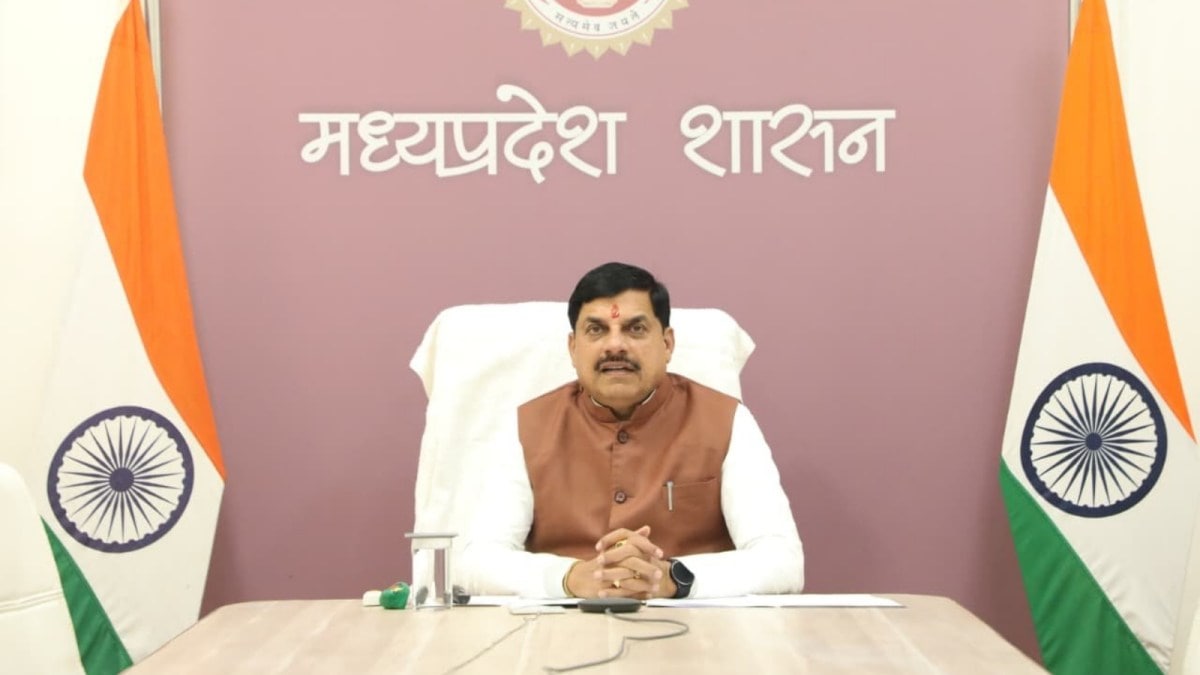
The Madhya Pradesh government has accelerated its efforts to implement a Uniform Civil Code (UCC), setting a 60-day deadline for a specially constituted panel to prepare a draft bill. The state aims to introduce and potentially roll out the legislation by Diwali 2026, marking a significant policy shift in personal law governance.
The six-member committee, headed by former Supreme Court judge Justice Ranjana Prakash Desai, has been tasked with examining existing personal laws governing marriage, divorce, maintenance, inheritance, adoption, and succession. The panel will recommend a common legal framework applicable to all citizens, irrespective of religion, while ensuring that constitutional safeguards are respected.
Officials have stated that the committee will study UCC models from states like Uttarakhand and Gujarat, where similar initiatives are underway or have been implemented. However, Madhya Pradesh’s draft will be tailored to its own socio-cultural conditions. The panel is also expected to conduct consultations with legal experts, civil society groups, and religious representatives to incorporate diverse perspectives before finalizing its recommendations.
One of the key focus areas of the proposed UCC is strengthening women’s rights and promoting gender equality. The draft may include provisions related to equal inheritance, safeguards in marriage and divorce, and legal clarity around live-in relationships. Child welfare and protection laws are also expected to be integrated into the framework.
Despite these objectives, the move has triggered concerns among tribal communities in the state, who constitute a significant portion of the population. Leaders have argued that a uniform code could interfere with their traditional customs and practices, which are protected under constitutional provisions such as the Fifth Schedule and the PESA Act.
Politically, the initiative aligns with the broader agenda of legal uniformity often promoted by the BJP. If implemented, Madhya Pradesh would join the growing list of states taking concrete steps toward a Uniform Civil Code.
The committee’s report, expected within two months, will be crucial in shaping the final legislation and determining how the state balances reform with cultural diversity.