



marches “ welcoming refugees”
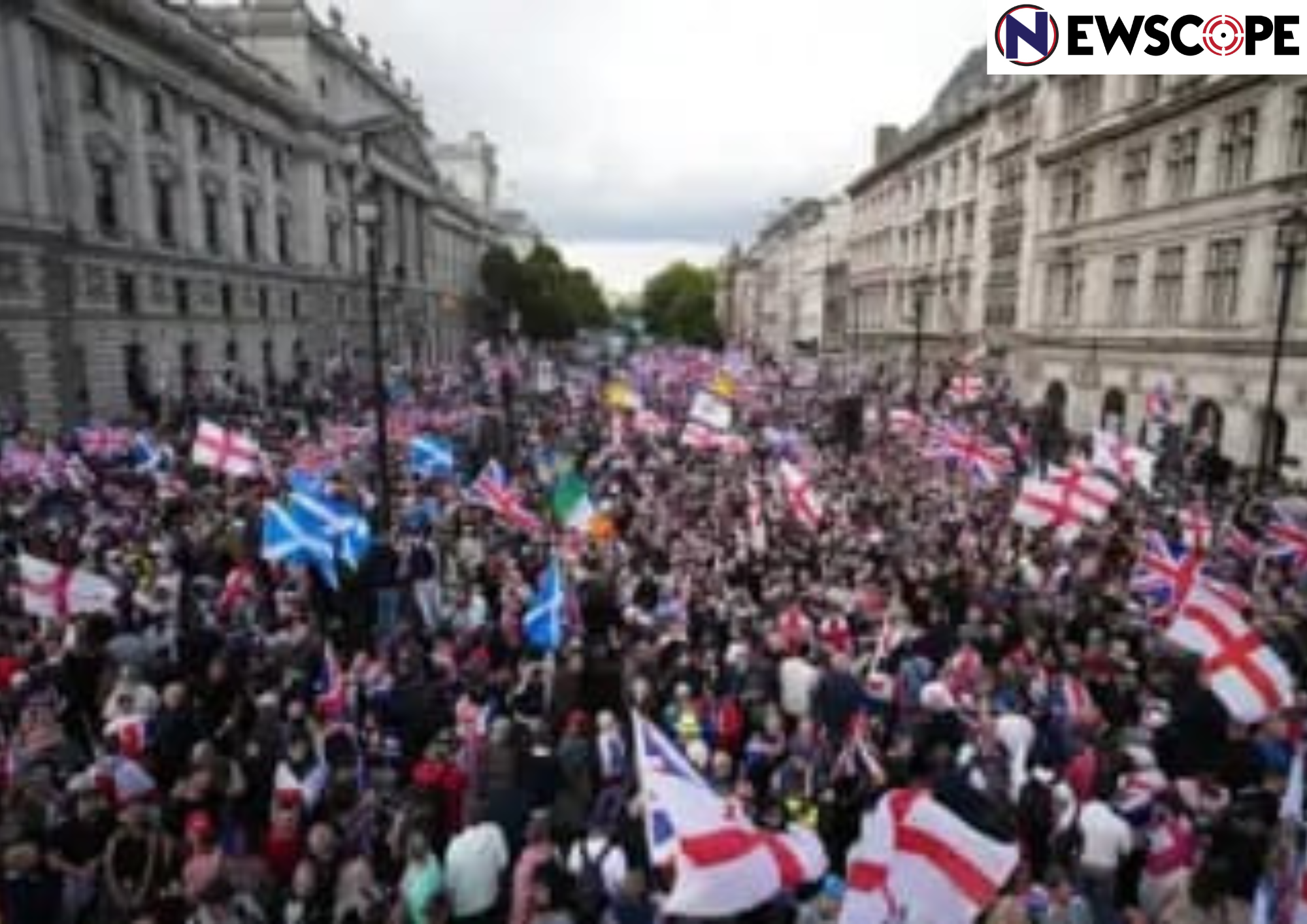
London saw a charged and passionate spectacle at the weekend when scores of demonstrators marched through streets in an anti-migrant protest. The march, which wound its way through the heart of London, helped to normalize more passionate discussion about immigration, integration, and identity — topics that have grown to polarize policymakers and ordinary citizens.
The demonstrators marched with placards and cried slogans demanding more border control and a halt to what they called “uncontrolled immigration.” Near the top of many people’s agendas were jobs, a shortage of houses and rising living expenses, complaining that migrants were receiving too much attention at the expense of the native population.But the march was not dishonored. Counter-demonstrators — a motley crew of Londoners who believe that immigration is part of what they love about their city — filled the space, with “Refugees Welcome” and “Diversity Makes Us Stronger” signs. The police kept things in line, keeping the crowds apart from one another, their sheer numbers having the effect of preventing tensions from spilling over into violence.
For some, the protest was all about individual issue. “I’m not anti-people,” said one of the demonstrators, “but our people are the ones who are losing out. We just want to be equitable.” Counter-protesters insisted, however, that the rhetoric is misplaced. “Migrants aren’t the issue — they’re our colleagues, our colleagues at work, our next-door neighbors. The issue is inequality and poor policy,” retorted one of the Londoners.
The protest coincided with a period when immigration has been a politically charged topic right throughout the UK. In times of economic uncertainty and homelessness, argument over who to prefer has picked up speed. But for a global city like London, in which over one third of its inhabitants were born abroad, the protests went to show the manner by which intricate and passionate the argument has become.While the march went forward without calamity, it did leave a polarized and contemplative environment behind. It is not a policy issue for most Londoners but one of closing the gap between those who view migrants as drains on society and those who view them as being part of the city itself.

