



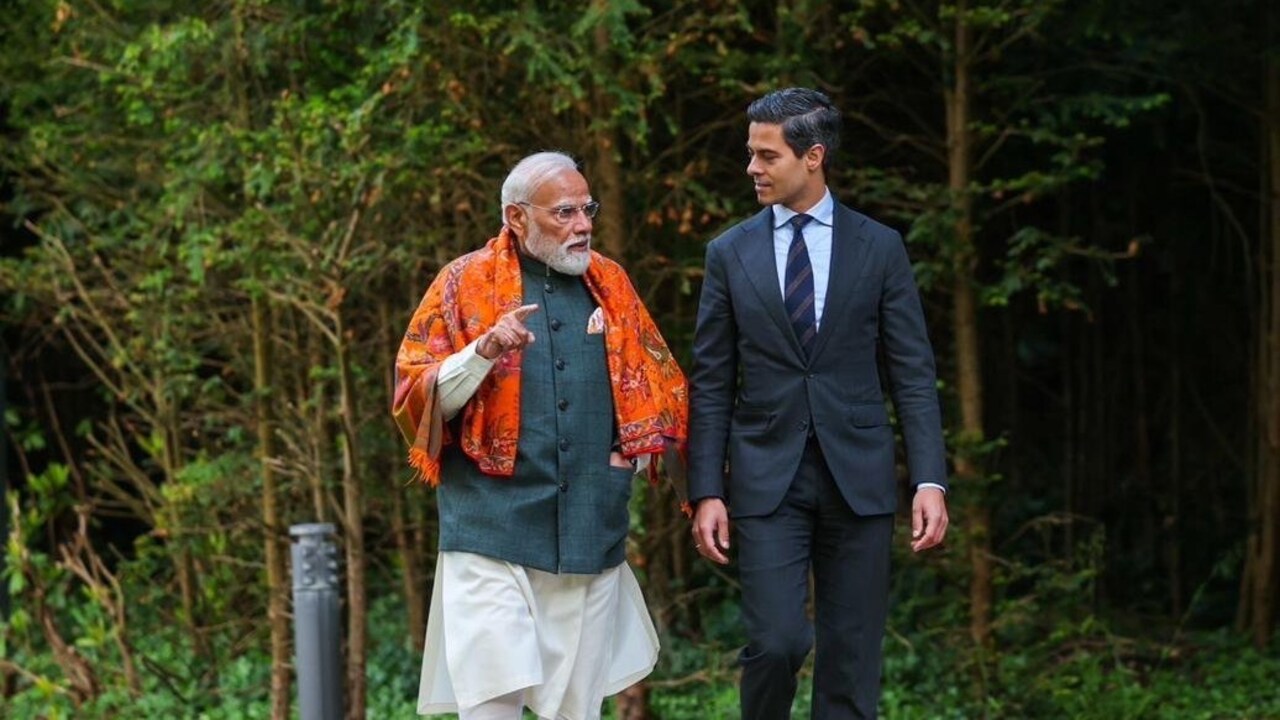
During an official bilateral summit in The Hague on May 16, 2026, Dutch Prime Minister [Rob Jetten]sparked diplomatic tension by voicing public concerns to the media regarding a perceived slide in press freedom and minority rights in [India], drawing a swift and firm rejection from the Indian Government.
The controversy emerged right before Prime Minister [Narendra Modi] met with his Dutch counterpart, Prime Minister [Rob Jetten] at the Catshuis. Jetten informed the prominent Dutch newspaper De Volkskrant that the Netherlands and the European Union harbour deep worries about developments in India. He emphasized that basic protections for media personnel and the rights of religious minorities—including Muslims and smaller communities—are facing severe pressure. According to Jetten, European diplomats regularly address these internal rights issues during routine engagements with New Delhi.
India’s Ministry of External Affairs (MEA) strongly defended its internal track record during a post-summit media briefing. Confronted by local journalists, MEA Secretary Sibi George attributed the European criticisms to a fundamental “lack of understanding” regarding India’s massive cultural scale and 5,000-year-old civilizational depth.The Indian delegation pointed out that India’s minority population grew from 11% at independence to over 20% today, a statistic unmatched by most Western nations.Officials noted that recent regional elections saw voter turnouts exceeding 90%, underscoring a vibrant, active, and functioning democracy.The diplomat noted that India is the birthplace of four major global religions and has historically provided a safe, persecution-free home for minority groups.
Despite the public disagreement on human rights, both nations insulated their broader economic goals from the political friction. The topic of press freedom was bypassed entirely during the formal delegation-level talks. Instead, Modi and Jetten struck a diplomatic tone on social media, prioritizing shared institutional goals. The summit concluded with the signing of 17 critical bilateral agreements, effectively upgrading their relationship to a comprehensive Strategic Partnership focused on high-tech trade, semiconductor production, space tech, and artificial intelligence.

