



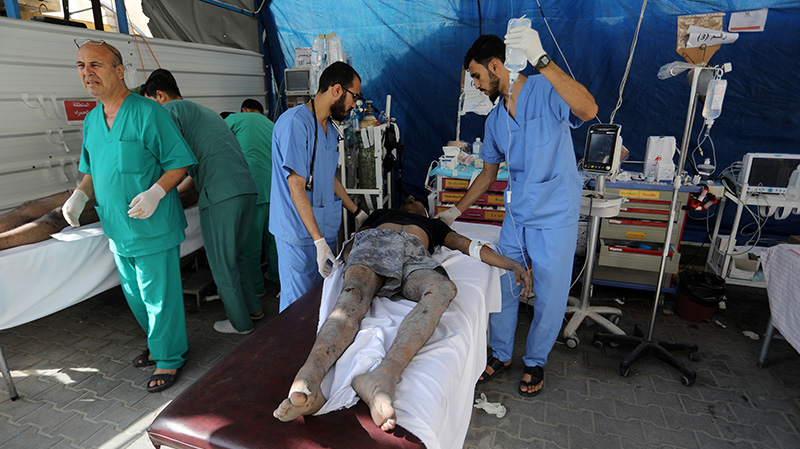
Vulnerable Palestinian cancer patients are facing a quiet death sentence inside the war-torn Gaza Strip as on-going military operations and severe blockades have entirely wiped out chemotherapy supplies and decimated medical infrastructure as of June 2026 . The collapse of the local healthcare network has occurred because intense regional bombardment and strictly sealed border crossings prevent life-saving oncology shipments from entering the enclave and block critically ill individuals from evacuating abroad for treatment .
According to recent data from the World Health Organisation (WHO) and local health officials, cancer-related deaths have tripled since the conflict intensified. There are no longer any fully functional public hospitals left in the territory, leaving an estimated 11,000 cancer patients stranded without access to basic oncology services. Medical records indicate that over 68% of vital chemotherapy drugs are completely out of stock. Essential diagnostic tools like MRI and mammography machines have been heavily damaged or lack the electricity required to function.
The situation is further complicated by severe border restrictions. Following the prolonged closure of major entry points like the Rafah crossing, medical evacuations to third countries have become nearly impossible. More than 4,000 patients holding official medical referrals for overseas hospitals remain trapped. Healthcare workers on the ground report that patients are deteriorating rapidly, as widespread malnutrition drastically reduces their bodies’ ability to withstand the heavy physical toll of advancing, untreated malignancies.
International human rights organisations continue to warn that the deliberate withholding of critical medicine and the blockading of sick civilians violate international humanitarian law. While international agencies routinely appeal for a permanent health corridor to safely transport terminal patients, the lack of a comprehensive diplomatic breakthrough leaves thousands of patients waiting in oncology wards that have been reduced to little more than pain-management clinics.

