



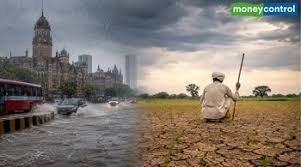
New Delhi: India’s southwest monsoon has recorded a rainfall deficit of around 43 per cent so far, raising concerns over the progress of the kharif sowing season and the possible impact on agricultural output. The Centre has begun preparing contingency measures for vulnerable districts as delayed and inadequate rains threaten farming activities across several regions.
The Union Agriculture Ministry has identified 315 districts that could face challenges due to poor rainfall. Among them, 111 districts with limited irrigation facilities have been classified as highly vulnerable, while others have been placed under medium and lower-risk categories based on their irrigation coverage.
Agriculture Minister Shivraj Singh Chouhan said the rainfall shortage could affect kharif crop sowing and stressed the need for preparedness at the district level. States have been advised to implement water conservation measures, including restoration of ponds, farm water bodies and check dams, to manage possible shortages.
The monsoon plays a crucial role in Indian agriculture, with a large share of farmland depending on seasonal rainfall for cultivation. A weak monsoon can particularly affect crops such as rice, pulses, oilseeds and other kharif crops, increasing risks for farmers in rain-dependent regions.
Weather experts have linked the current rainfall pattern to unfavourable climate conditions, including the influence of El Niño, which has raised concerns about a weaker-than-normal monsoon season. The India Meteorological Department has also warned of challenges from uneven rainfall distribution during the crucial sowing period.
To reduce the impact, authorities are encouraging farmers to consider alternative crops requiring less water and adopt strategies such as inter-cropping and efficient water management. The government is closely monitoring rainfall trends and crop conditions as the monsoon progresses.
With kharif cultivation heavily dependent on timely rainfall, the coming weeks will be critical in determining the extent of the impact on agricultural production and rural livelihoods.