



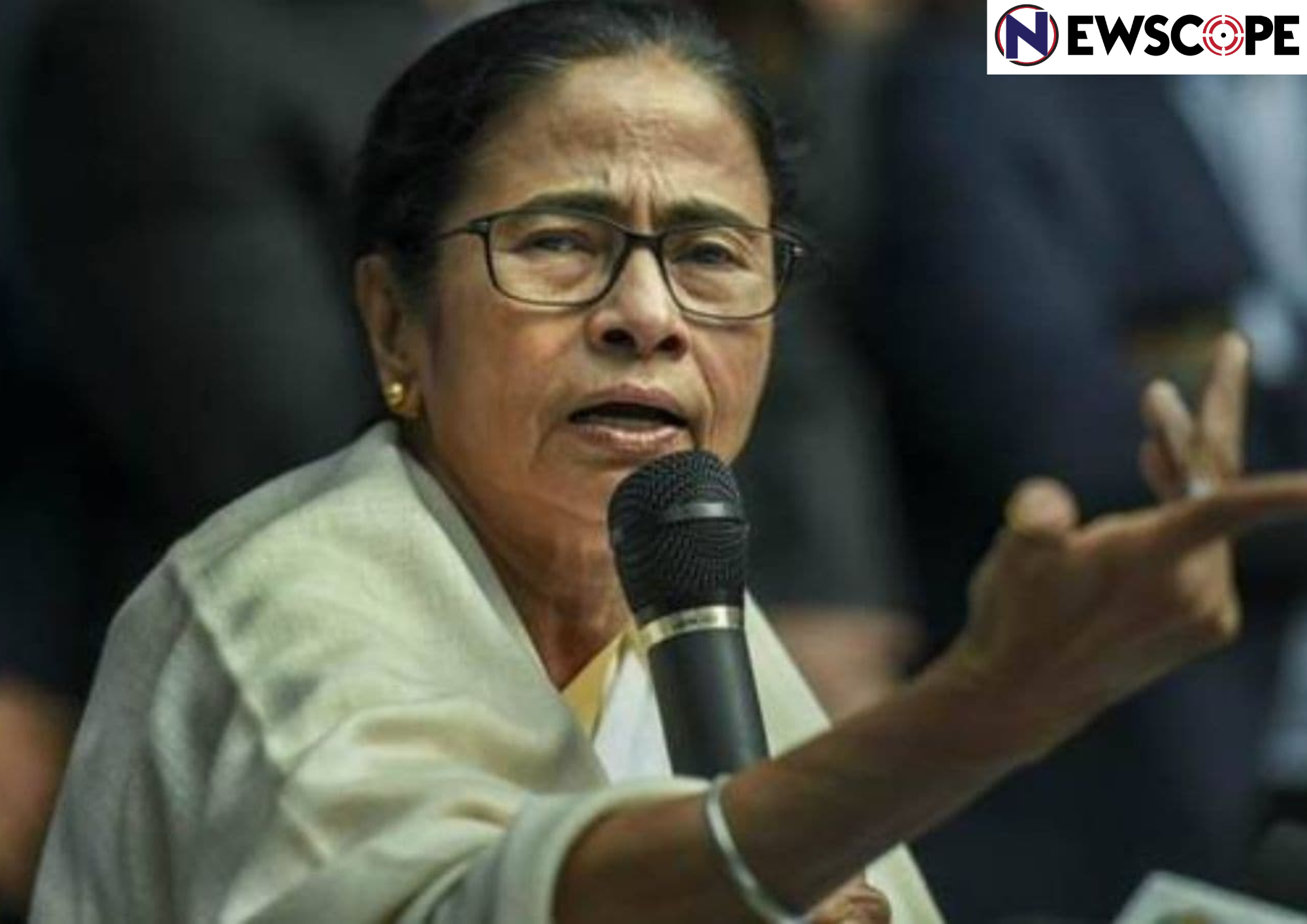
Following the decision of the West Bengal government to exclude a large number of different Muslim communities from the state’s Other Backward Classes (OBC) list, the West Bengal Chief Minister Mamata Banerjee is being heavily criticized.
The move has been politically weaponized from the side of the opposing parties. They have been joined by community leaders, as well as ordinary people, in pointing out the negative effects of the decision on the identity and livelihoods of the affected families.
Several Muslim groups in Bengal have long been recognized as OBC and have benefitted from reservations in education, government jobs, and various welfare schemes. The removal of their names has deprived many families of their hopes and dreams and thus they are full of anxiety and uncertainty.
According to the state government, however, the decision to revise the list was taken after a thorough investigation that revealed political motivations for past inclusions and lack of proper socio-economic data. Officials have claimed in their statements that the main purpose of the new list is to identify reservation beneficiaries among the genuinely backward classes irrespective of their religion.
Nonetheless, critics point to the time and manner of the decision in question. Opposition parties perceive the cut as a censure letter to the minority voters disclosing an implicit strategy to abandon them. Also some members of the community expressed feelings of betrayal which helps to understand their anxiety that the loss of access to crucial opportunities which in turn have made their children’s dream of better futures possible.
While all the political drama is going on, ordinary families are the ones that bear the brunt of it. Parents are full of worries whether their children will get a fair chance in the exams. Students experience instant pressure because the future for them is not clear anymore. Community leaders have already started mobilizing people around the issue, thus their appeal to the government has been to listen to their concerns and either take them back or clarify their alternatives more clearly.
At the moment, the foremost point of the ongoing debate is the question of how to balance equitable distribution, representation, and social justice in a diverse society. What most people hope for, takes the form of clarity, kindness, and a

