



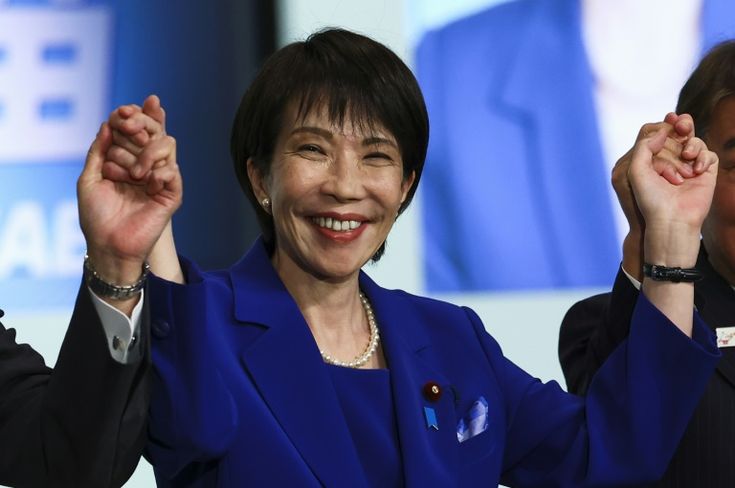
Strong, powerful, and wise,” are the words President Trump used when endorsing Japan’s Prime Minister Sanae Takaichi ahead of what many are calling a historic electoral victory. Four months into her tenure as Japan’s first female prime minister, Takaichi made the bold decision to call a snap election that could have backfired spectacularly, but she approached with confidence built on her rising approval ratings and clear policy vision.The gamble paid off handsomely. Her Liberal Democratic Party swept Sunday’s snap election, securing an impressive 316 seats in the 465-seat lower house. This victory represents the first time since World War II that a single party has achieved a two-thirds majority on its own, fundamentally reshaping Japan’s political landscape. The result has transformed Takaichi from a relative newcomer to prime ministerial leadership into arguably the most powerful postwar leader Japan has seen in generations.The political landscape has shifted in other significant ways as well. After the traditional coalition partner Komeito ended their decades-long alliance with the LDP, Takaichi successfully forged a new partnership with the Japan Innovation Party. This coalition now commands enough seats to override the upper house, where they previously lacked sufficient support.
On the international stage, Takaichi has adopted an assertive posture, particularly regarding China. In November, she made waves by suggesting Japan might respond if China were to attack Taiwan. These comments predictably created diplomatic friction with Beijing and signal a potentially significant shift in Japan’s traditionally cautious foreign policy approach. Domestically, Takaichi has promised sweeping economic reforms and pledged to increase defense spending in response to regional security concerns. The specifics of her economic platform, including potential tax relief measures, are still being developed and debated.
The road ahead presents formidable challenges including Japan’s rapidly aging population, persistent economic pressures, rising living costs, and increasingly complex diplomatic tensions in East Asia. Yet for now, Prime Minister Takaichi stands at the height of her political power, backed by what may be Japan’s most decisive electoral mandate in modern history.

