



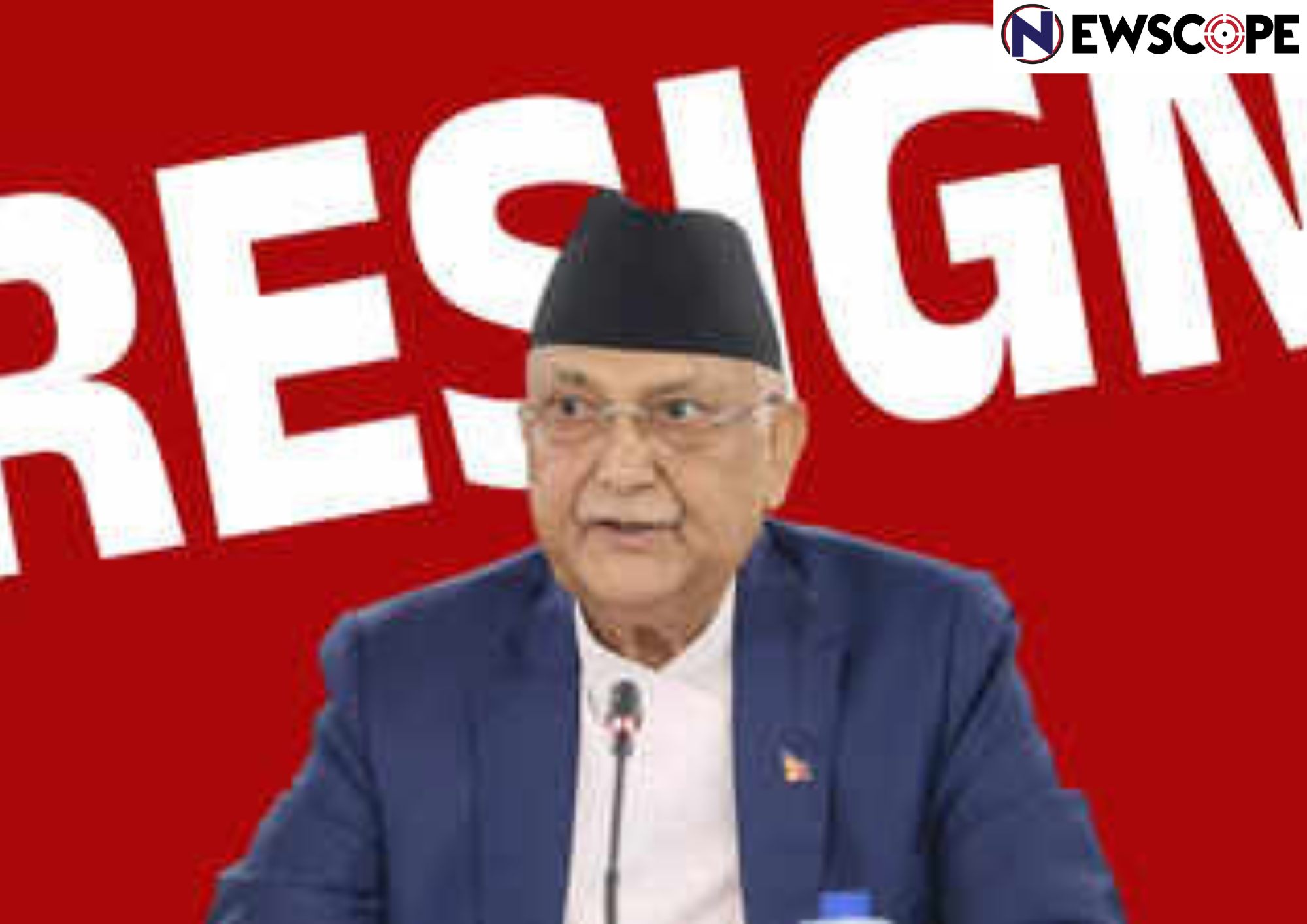
Kathmandu is breathing smoke and sorrow. The streets that once carried laughter, shopkeepers’ calls, and schoolchildren’s chatter now echo with chants, sirens, and the crackle of fire. At the center of it all stand Nepal’s young many from Generation Z who have turned their anger into a storm that forced Prime Minister KP Sharma Oli to step down.
It began with a digital silence. The government’s decision to block social media platforms that refused to register with the Ministry of Communication and Information Technology struck a nerve. To the young, it felt like more than a technical rule it was an attack on their freedom. “This is our voice. If they silence it, what else will they take from us?” shouted a university student, her voice breaking as police sirens wailed behind her.
By afternoon, the streets near Parliament and Kalanki were overflowing. The chants grew louder, the faces more determined. What started as a peaceful show of defiance turned into confrontation. Stones flew, shields rattled, and the sky filled with smoke. By nightfall, the historic Singha Durbar Nepal’s Parliament building was burning, flames licking at the heart of the state. Protesters stormed not just offices, but the private homes of leaders including Oli, President Ram Chandra Paudel, and former prime minister Prachanda.
The city tried to hold its breath. An indefinite curfew was declared, helicopters hovered to evacuate ministers, and Tribhuvan International Airport was shut down amid fears of disruption. Yet the streets pulsed with fury. Hospitals filled with the injured. By Tuesday night, 22 people were dead, more than 300 wounded. Families wept outside emergency wards, holding each other as smoke still rose above Kathmandu.
Oli’s words came too late. He lifted the social media ban, promised relief for victims, and begged for calm: “Any form of violence is not in the national interest. We must adopt peaceful dialogue and discussion.” But the chants in the streets drowned his voice. Even the army, once his shield, urged him to let go.
And so, he resigned. His letter spoke of stepping down “to facilitate a solution to the problem and to help resolve it politically.” Officials followed with appeals for peace.
But the protesters remain. To them, these days are not just about a ban or a resignation. They are about dignity. About a generation refusing to be muted. About fire and courage in the streets of Kathmandu a loud cry for freedom that will echo long after the smoke clears.

