



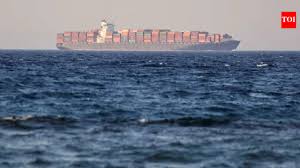
External Affairs Minister S. Jaishankar lodged a strong diplomatic protest with US Secretary of State Marco Rubio via telephone on June 12, 2026, following a fatal US Navy military strike on a commercial oil tanker in the Gulf of Oman that killed three Indian mariners.
According to the Ministry of External Affairs, the fatal incident occurred when US forces targeted the Palau-flagged vessel MT Settebello. The ship was targeted for an alleged violation of Washington’s naval blockade near the Strait of Hormuz. US Central Command stated that an American aircraft disabled the commercial vessel after the crew reportedly failed to comply with maritime instructions. The precision strike hit the engine room, causing a fatal fire that claimed the lives of three out of the twenty-four Indian crew members on board.
In a public statement shared on X, Jaishankar underscored New Delhi’s growing resentment over the use of lethal military power against civilian infrastructure. He firmly asserted that such actions against international commercial shipping are entirely unjustified.
This high-level intervention highlights New Delhi’s deepening concerns over the vulnerability of its maritime workforce amidst escalating geopolitical hostilities in West Asia. Over a single week, three separate commercial tankers operating with substantial Indian crews—the MT Marivex, MT Settebello, and MT Jalveer—came under fire or were disabled by American forces near the Omani coast.
The latest phone call between the foreign ministers follows consecutive diplomatic summons issued to US Chargé d’Affaires Jason Meeks in New Delhi. India continues to demand accountability, immediate operational restraint from US forces, and an unhindered passage for commercial traffic under standard international maritime law.

