



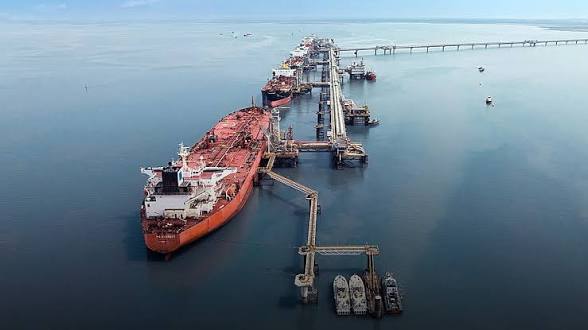
A major diplomatic situation is developing at India’s ports today as several large tankers carrying millions of barrels of Iranian oil remain anchored with nowhere to go. The ships, including the supertankers Felicity, Jaya, and the newly arrived Derya, have been waiting off the coasts of Gujarat and Odisha for several days.
This is the first time in nearly seven years that Iranian oil has reached Indian shores, but instead of being unloaded, the cargo is stuck in a legal waiting game.
The problem started because the United States gave India and other countries a temporary 30-day “hall pass” to buy Iranian oil that was already at sea. This was done to keep global oil prices from rising too high during the recent war in the Middle East. However, that permission is set to expire this Sunday, April 19, 2026.
While the Indian government has given the ships permission to park at the docks, the oil companies are nervous about actually taking the oil.
They are worried that if they offload the cargo after the deadline, they could face severe punishments and fines from the U.S. government.
One ship in particular, the Derya, has caused a lot of confusion. It arrived unannounced near Gujarat on Tuesday with about 2 million barrels of oil, but it doesn’t seem to have a confirmed buyer.
Experts believe the Derya might have been loaded with oil after the U.S. cutoff date, making it even riskier for any Indian company to touch.
Meanwhile, the other tankers like Felicity and Jaya were loaded earlier and should technically be safe to unload, but the companies are still waiting for a final “all-clear” from lawyers and the government.
As the clock ticks toward the Sunday deadline, these massive ships remain a symbol of the difficult balancing act India faces. The country needs cheap energy to keep its economy running, but it also wants to avoid damaging its relationship with the U.S.
If the oil isn’t unloaded in the next few days, these tankers might be forced to turn around and look for buyers in other countries, like China, leaving India’s energy plans in a state of uncertainty.

