



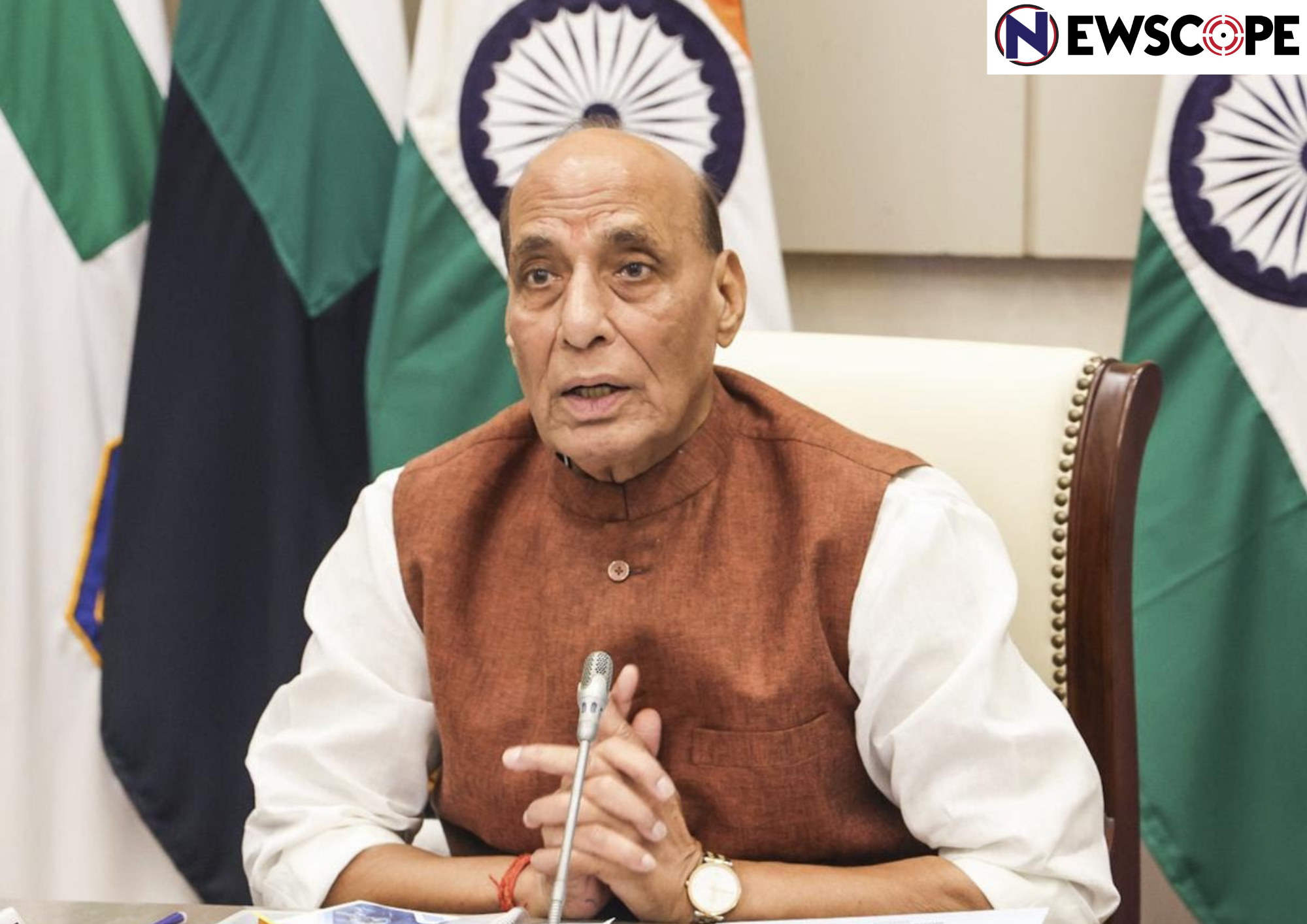
Defence Minister Rajnath Singh has approved the Defence Procurement Manual (DPM) 2025. This marks a major update to the existing framework for revenue procurements for the armed forces. The new manual, last revised in 2009, aims to speed up the procurement process, make procedures simpler for domestic companies, and encourage innovation in defence manufacturing.
With revenue procurements projected to reach around Rs 1 lakh crore this fiscal year, the DPM 2025 aligns with the Ministry of Finance’s guidelines and has been updated to address the complex needs of modern warfare.
Key Provisions for Industry
The DPM 2025 introduces several changes to help the defence industry do business with the government. These include measures to address working capital concerns through supportive financing and reduced penalties. Importantly, liquidated damages will not apply during the development phase of a project. The maximum penalty for delays is set at 5%, with a provision to increase it to 10% only in cases of significant delay.
A new chapter promotes self-reliance by encouraging local production and innovation. This framework will facilitate collaboration among private companies, defence public sector undertakings (DPSUs), universities, and top institutions like the IITs and IISc. To further support domestic companies, the manual provides assured order guarantees lasting up to five years, with options for extensions. It also establishes a “handholding” system by the Services, offering technical expertise and equipment support to manufacturers.
Streamlined Processes and Fair Competition
The new manual empowers financial authorities at the field level, allowing them to make quicker decisions and ensure timely payments to suppliers. This is expected to greatly reduce bureaucratic delays. Other changes include collective decision-making and more authority for extending bid deadlines. There is also a 15% upfront growth clause for repairing and maintaining aerial and naval platforms, which will help minimize downtime.
To create a level playing field and boost competition, the DPM 2025 has eliminated the need for companies to obtain no-objection certificates from DPSUs before open bidding. Tenders will now be awarded based solely on competitive merit. The manual also raises the limit for limited tendering to Rs 50 lakh, and in special cases, even higher amounts.
The Ministry of Defence stated that the DPM 2025 will encourage greater cooperation among the various Services and improve the ease of doing business. By promoting active participation from private firms, MSMEs, and startups alongside DPSUs, the new manual is expected to significantly advance the government’s Aatmanirbharta (self-reliance) initiative in the defence sector.

