



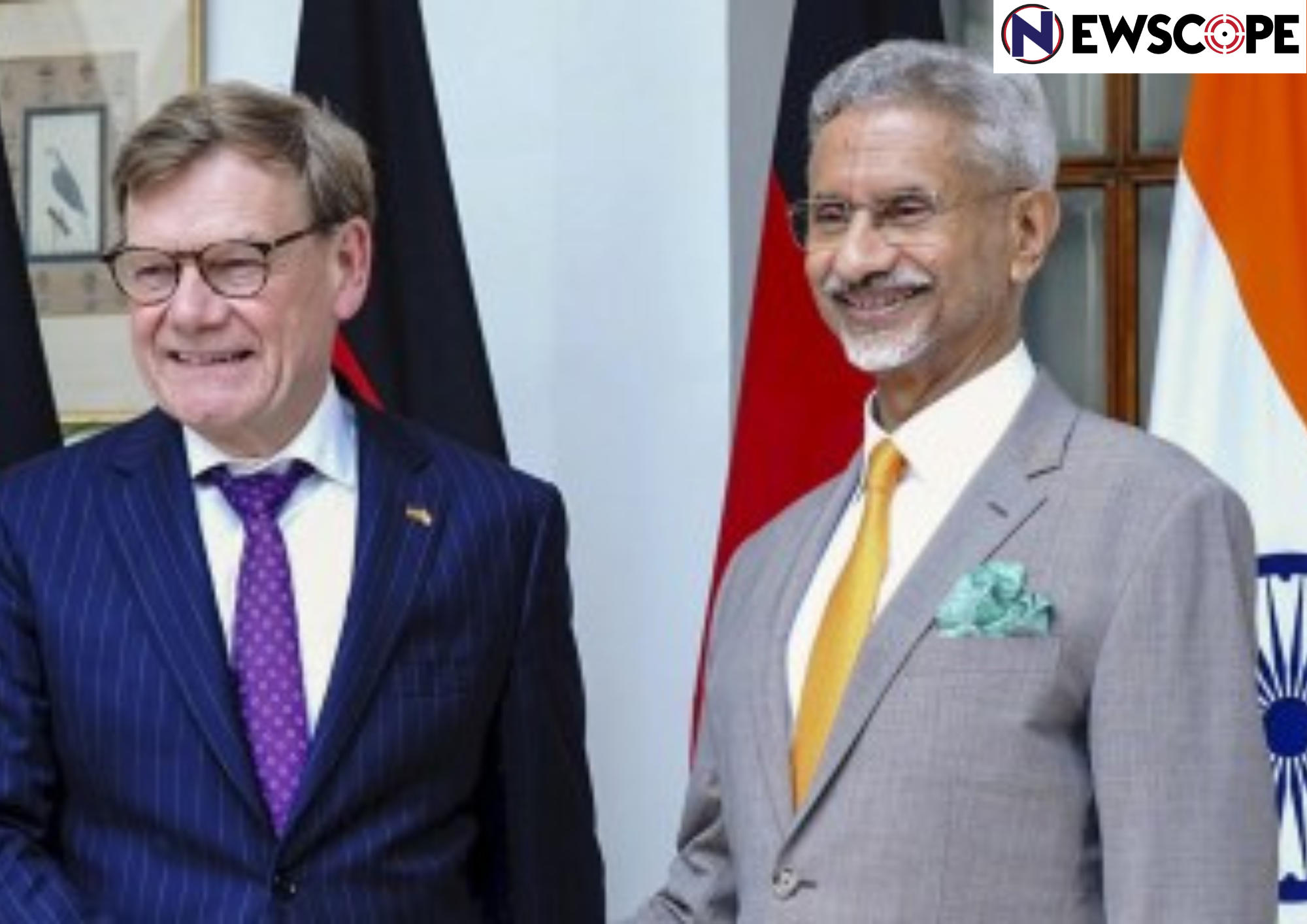
On Wednesday, India and Germany pledged to increase their bilateral trade twofold and accelerate discussions regarding a long-anticipated free trade agreement between India and the European Union, amid rising worries about possible new sanctions impacting nations purchasing Russian oil.
German Foreign Minister Johann Wadephul and Indian External Affairs Minister S. Jaishankar convened in Delhi to talk about enhancing economic relations valued at approximately €50 billion in the previous year. Both nations aim to finalize the India-EU Free Trade Agreement by the end of the year.
“Jaishankar stated that he hopes the Indian-EU FTA negotiations reach a conclusive outcome soon, emphasizing that the agreement is crucial for global economic stability.”
The drive for tighter trade arises as the EU contemplates mirroring the United States by implementing secondary sanctions on nations purchasing Russian oil. Last Friday, German Chancellor Friedrich Merz announced that Germany and Francewould advocate for sanctions against ”other countries whose oil and gas purchases support a significant portion of Russia’s war economy.”
India, which keeps purchasing Russian oil in spite of Western pressure, may encounter additional restrictions. The EU has prohibited trade with Nayara Energy, a Russian-Indian oil firm, leading to decreased oil deliveries to India.
Wadephul sidestepped a direct response on whether Germany would endorse tariffs against India, stating that the aim was to compel Russia to engage in negotiations with Ukraine. “We haven’t implemented tariffs but rather sanctions on Russia to make it less capable of funding its war,” he clarified.
The trade discussions encounter multiple obstacles. Negotiators from India and the EU have finalized just 10 of the 23 agreement chapters, with ongoing disagreements over agricultural goods and access to the dairy market still not settled. Nevertheless, both parties intend to hold monthly meetings to adhere to their timeline.
Wadephul referred to Russia and China as “the two greatest threats to the global order” and commended Prime Minister Narendra Modi’s recent appeals for a ceasefire in Ukraine. “China’s growing assertiveness in the Indo-Pacific raises concern for both our nations,” he stated.
Jaishankar adopted a more diplomatic stance, stating that India holds that “a multi-polar world with strategic autonomy” is most effective in tackling global challenges via collaboration.
The German minister’s trip occurs four months after the new government in Germany assumed power and prior to a scheduled visit by Chancellor Merz later this year. Apart from trade, the two nations talked about defense collaboration, climate initiatives, and technology alliances. The meeting underscores India’s effort to juggle its relations with Russia while enhancing connections with Western allies in light of escalating global tensions.

