



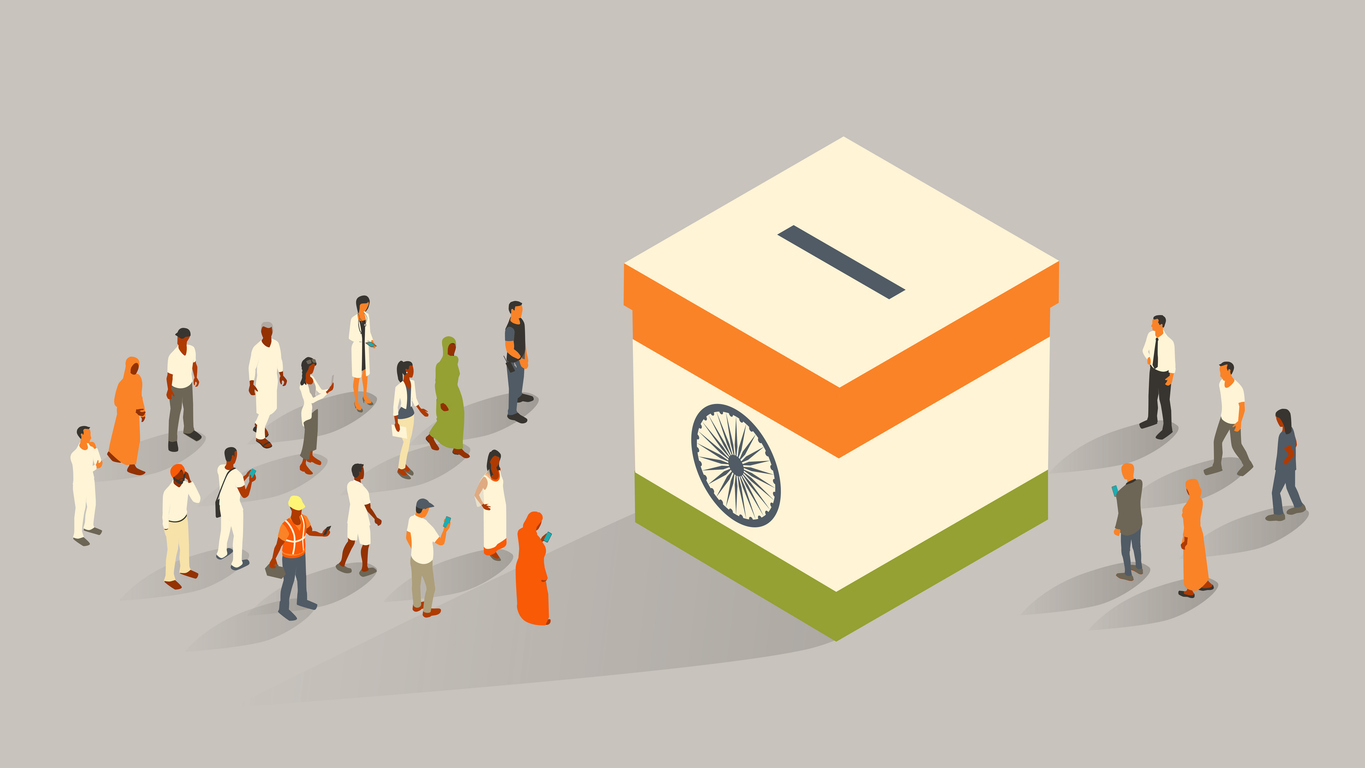
The Union Government of India officially initiated plans on June 1, 2026, to revive the controversial Delimitation Bill, 2026 in New Delhi to redraw the nation’s political map and expand the Lok Sabha before the 2029 general elections. Following a significant legislative setback in April 2026, when the previous proposal failed to secure the mandatory two-thirds majority, the Ministry of Home Affairs began preparing a revamped draft. The government intends to leverage recent state assembly election outcomes to forge fresh alliances with regional parties, aiming to bypass opposition roadblocks and fast-track structural electoral reforms.
The renewed push comes after the Constitution (131st Amendment) Bill fell 54 votes short in the Lower House. That initial draft sought to increase Lok Sabha seats from 543 to 850 using 2011 Census data, simultaneously unlocking a 33% reservation for women. However, the unified opposition bloc successfully stalled the legislation, raising severe concerns over federal imbalances.
Reports indicate that federal policymakers are actively engaging regional players, including the DMK, by introducing potential revisions. This altered political outreach follows shifted dynamics after the April–May assembly elections in West Bengal and Tamil Nadu.
The central administration remains determined to remove hurdles preventing the operationalisation of women’s legislative quotas. Simultaneously, the government aims to sync this boundary readjustment with the proposed “One Nation, One Election” initiative by 2029. Meanwhile, leadership from the main opposition Congress party maintains that the ruling coalition must halt unilateral restructuring and establish a genuine, multi-party consensus before reintroducing the bill.

