



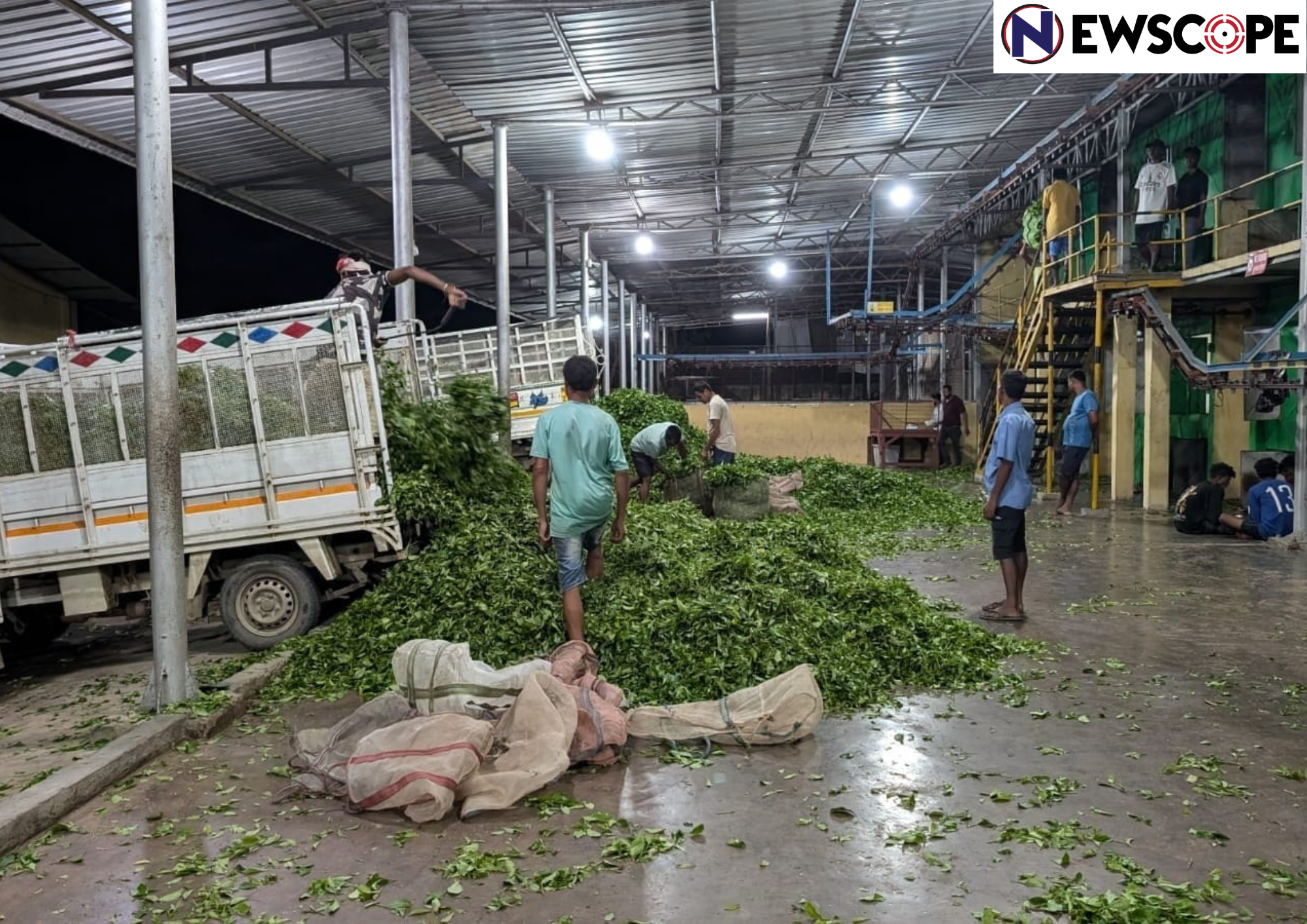
For decades, Assam tea has been India’s pride industry, admired globally for its depth of flavor and pungency. But now the industry is brewing a bit its of woes, with prices of Assam tea plummeting. The primary cause, say many, is the increased imports of low-price teas from African nations such as Kenya, Rwanda, and Tanzania.India, a major consumer and producer of tea in the world, has used Assam to supply both domestic and export markets for decades. But now, teas from Africa are pouring in at much cheaper prices, and they are a competitive choice for buyers. While cheap companies are using these imports, indigenous producers in Assam are finding it difficult to compete.For small tea farmers, who are the backbone of the tea economy in Assam, the fall in prices has been crippling. Most grouse that their cost of production—labor, fertilizer, and transport—are increasing, while their returns are decreasing. “We sweat and put our heart into producing good quality tea, but when the market is overwhelmed with cheaper options, our livelihoods get hit,” was the lament of a small farmer from Jorhat.Experts caution that if the trend continues, the region’s legendary tea business may suffer long-term harm. Already, some tea plantations are experiencing economic strain, which has the potential to impact salaries for tea garden workers. Given that there are thousands of families in Assam that depend directly or indirectly on tea, the financial and social impact could be substantial.
Meanwhile, other traders contend that African imports are not fully to be faulted. They attribute the decline in their sales to other consumers who are switching to other drinks, like coffee and packaged energy drinks, which drive down overall demand for traditional tea.Trade bodies are calling for the government to intervene with more robust trade policies, improved marketing assistance, and initiatives to assist small growers. According to them, as competition is natural, safeguarding the heritage and livelihood of Assam’s tea industry is imperative.For the time being, the scent of Assam tea continues to linger in mugs globally. But if immediate action is not taken, the industry might find itself struggling to maintain not only its market, but also its heritage.

