



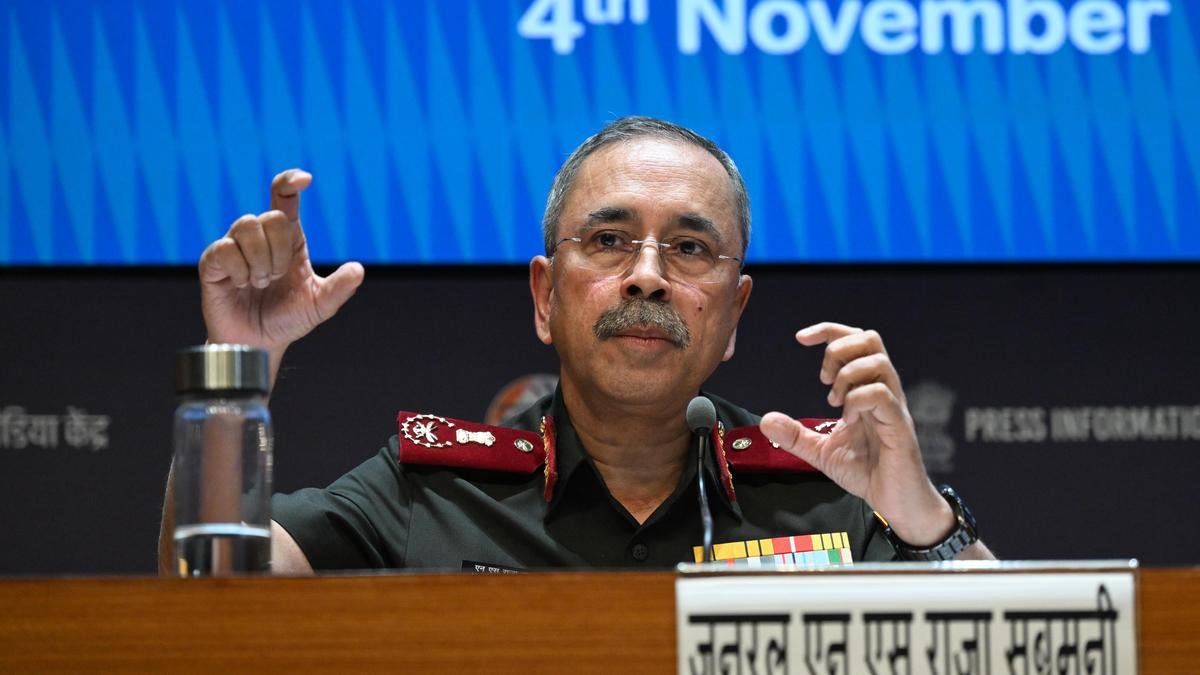
New Delhi, November 4, 2026: In a landmark policy shift addressing one of the most contentious military recruitment debates in recent years, the Union Cabinet has approved major revisions to the Agnipath scheme, extending the service tenure of outgoing Agniveers by two years and creating a phased pathway toward permanent absorption into the Armed Forces.
Announcing the decision on Wednesday, Chief of Defence Staff (CDS) General N.S. Raja Subramani stated that the remaining 75% of recruits—who were originally scheduled to demobilize and return to civilian life after four years—will now be offered an additional two-year engagement period, taking their total service tenure up to six years. Furthermore, upon completing this extended tenure, these personnel will be eligible for consideration for regular permanent enrollment based on objective performance criteria and organizational requirements.
The decision arrives just weeks before the maiden cohort of 24,400 Agniveers—recruited when the scheme was launched in June 2022—was due to conclude its mandatory four-year cycle. Under the earlier model, around 18,300 soldiers, sailors, and airmen (representing 75% of the debut batch) would have exited the Navy starting November 21, the Air Force on December 25, and the Army on December 31.
Key Structural Revisions: Phased Extension from 4 to 6 Years
The Cabinet’s approved framework fundamentally alters the four-year terminal engagement model that had faced widespread pushback from military veterans and opposition parties:
- Staged Absorption Window: Rather than an abrupt exit at the end of four years, service is now divided into distinct phases: an initial four-year tenure, followed by an optional two-year extension for the 75% bracket, followed by competitive permanent absorption for those who meet merit-based benchmarks.
- No Blanket Discharge: While the top 25% of each cohort continues to be inducted directly into the regular cadre after four years, the remaining 75% will no longer face immediate discharge, provided they opt into the extended engagement.
- Feedback and Operational Continuity: CDS General Raja Subramani noted that four years of comprehensive performance appraisals across the Army, Navy, and Air Force yielded overwhelmingly positive feedback on the discipline and field effectiveness of Agniveers, with commanders broadly agreeing that four years was too short to fully utilize specialized technical and combat proficiencies.
Recruitment Overhaul: Written Exam to Precede Physical Test
Alongside tenure adjustments, the Armed Forces announced an operational overhaul of the selection process:
- Sequence Inversion: Moving forward, written examinations will be conducted before the physical efficiency test, reversing the longstanding practice of screening candidates through grueling physical rallies first. The shift aims to streamline candidate logistics, reduce administrative strain at mass rally grounds, and optimize technical aptitude screening.
- Formal Skill Accreditation: Agniveers completing their extended tenures will receive certified skill accreditations mapped to National Skill Qualification Framework (NSQF) standards, documenting technical specializations and training acquired during service.
Balancing Modernization with Operational Readiness
When introduced on June 14, 2022, the Agnipath scheme was designed to lower the median age profile of India’s 1.4-million-strong armed forces from 32 to 26 years while curbing ballooning pension and salary bills. However, the prospect of 75% of trained recruits returning to the civilian job market at ages 21 to 25 without pensions or medical benefits emerged as a major social and political flashpoint, particularly across recruitment hubs in northern and eastern India.
By lengthening the service cycle to six years and opening a merit-driven door to regular service beyond the initial 25% cap, the government aims to address unit-level cohesion and training retention concerns while ensuring experienced combat personnel remain available along active operational frontlines.

