



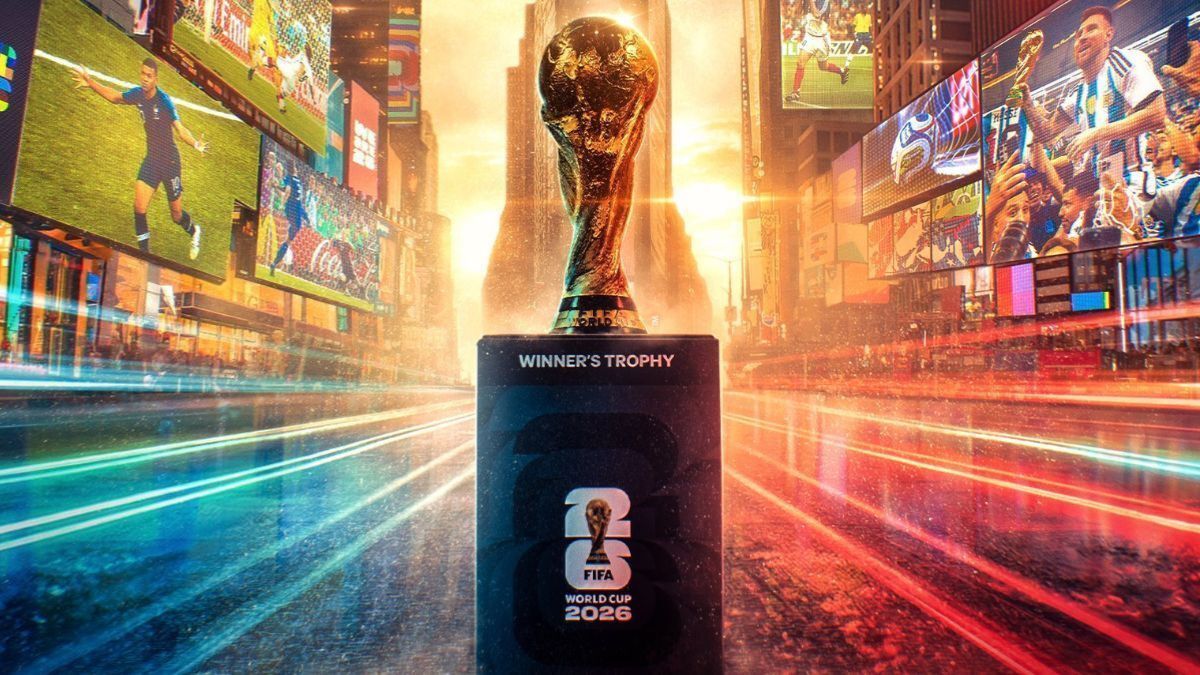
Millions of Indian football fans face a potential blackout for the FIFA World Cup 2026 as the nation’s primary broadcasters, JioStar (a Reliance-Disney joint venture) and Sony, have yet to reach a financial agreement with FIFA for the tournament’s media rights. The deadlock persists in India and [China] just weeks before the June 11, 2026 kickoff because FIFA’s revised asking price of approximately $35 million still dwarfs the $20 million bid placed by JioStar. Broadcasters are hesitant to meet higher valuations due to the North American host locations, which place most matches in late-night or early-morning Indian Standard Time slots (12:30 AM to 7 AM IST), severely limiting potential advertising revenue and simultaneous viewership.
As of May 2026, India is in a rare position as a major sports market without a confirmed broadcaster for football’s marquee event. FIFA initially sought $100 million for a combined rights package for the 2026 and 2030 editions but has since slashed that figure.
The dominant force in Indian sports media reportedly offered $20 million, roughly one-third of the $60 million paid for the 2022 Qatar edition.
While Sony held exploratory talks with FIFA, the company reportedly decided not to make a formal offer, citing a lack of financial feasibility.
With private bids failing to meet FIFA’s threshold, reports have emerged that Doordarshan (DD), under PrasarBharati, may emerge as the fallback solution. In recent days, industry speculation suggests that the government-backed broadcaster could secure the rights to ensure nationwide accessibility, particularly for the semi-finals and final, similar to its historic role in the 1980s.
The crisis highlights a growing “valuation gap” in Indian sports. While the Indian Premier League (IPL) commands roughly $13 million per match, FIFA’s football rights are struggling to find takers at a fraction of that cost. Broadcasters argue that the irregular 2026 schedule “breaks viewing habits,” making it difficult to justify high capital allocation when compared to the predictable returns of cricket.

