



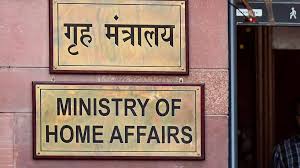
On April 30, 2026, the Ministry of Home Affairs (MHA) notified the Citizenship (Amendment) Rules, 2026, officially modernising the [Citizenship Rules, 2009] to transition Overseas Citizen of India (OCI) services into a fully digital framework. These updates aim to enhance administrative efficiency and transparency for the Indian diaspora worldwide by mandating online-only applications for registration, renunciation, and cancellation of OCI status. The notification, issued from New Delhi, introduces several critical compliance measures, including a strict prohibition on dual passports for minors and the launch of electronic OCI (e-OCI) documents.
The primary shift involves the complete digitisation of the application process. According to the [Ministry of Home Affairs] all candidates must now submit Form XXVIII electronically on the official OCI portal. To support smoother travel, the government has introduced the e-OCI card, which will coexist with physical cards as a valid identity document. Furthermore, a significant procedural hurdle has been removed: eligible foreign nationals of Indian origin are no longer required to complete a six-month residency period in India before applying for registration. They may now initiate the process immediately upon arrival, provided they hold a valid long-term visa and necessary documentation.
However, the 2026 rules also introduce tighter compliance and security protocols. A key highlight is the clarified stance on minors; the MHA has mandated that a minor child cannot hold a foreign passport while simultaneously possessing an Indian passport. Additionally, OCI cardholders are now required to update their details online within three months of receiving a new foreign passport. Failure to comply with this timeline will result in a $25 (approximately ₹2,100) penalty.
Security-related grounds for the cancellation of OCI registration have also been strengthened. Under the new guidelines, registration may be revoked if a cardholder is sentenced to at least two years of imprisonment or is named in a charge sheet for an offence carrying a penalty of seven years or more. To ensure fairness, the Union Home Ministry confirmed that individuals under review will be granted a “right to be heard” before any final decision on cancellation is made.

