



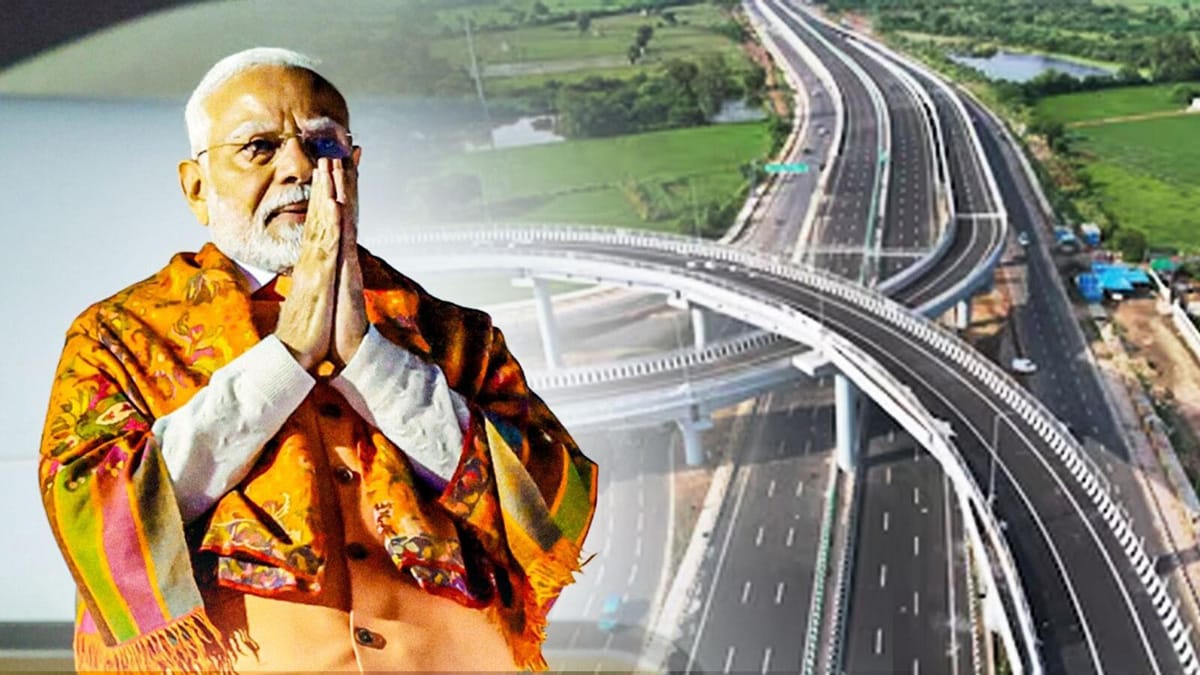
Prime Minister Narendra Modi on April 29, 2026, inaugurated the 594-kilometre-long Ganga Expressway, marking a major milestone in India’s infrastructure development. The ambitious project connects Meerut in western Uttar Pradesh to Prayagraj in the eastern part of the state, significantly improving east-west connectivity.
Built at an estimated cost of around ₹36,230 crore, the expressway is one of the largest greenfield infrastructure projects in the country. It has been developed as a six-lane access-controlled highway, which can be expanded to eight lanes in the future. The project is expected to serve as a key economic corridor, boosting trade, logistics, and regional development across Uttar Pradesh.
The Ganga Expressway passes through 12 districts, linking major regions and benefiting hundreds of villages along its route. It is designed to drastically reduce travel time between Meerut and Prayagraj from nearly 10-12 hours to about 6 hours, making transportation faster and more efficient.
Speaking at the inauguration, Prime Minister Modi highlighted the importance of the expressway in accelerating economic growth and improving connectivity. He compared its significance to the Ganga river, describing it as a new “lifeline” for the development of Uttar Pradesh.
The expressway is also expected to attract industrial investment, create employment opportunities, and enhance agricultural supply chains by enabling quicker movement of goods. With modern features such as high-speed travel corridors and improved safety infrastructure, the project reflects the government’s focus on building world-class road networks.
Overall, the Ganga Expressway is poised to transform transportation in Uttar Pradesh, strengthen regional integration, and contribute significantly to India’s economic growth by improving connectivity between key urban and rural areas.