



Sneha Paul
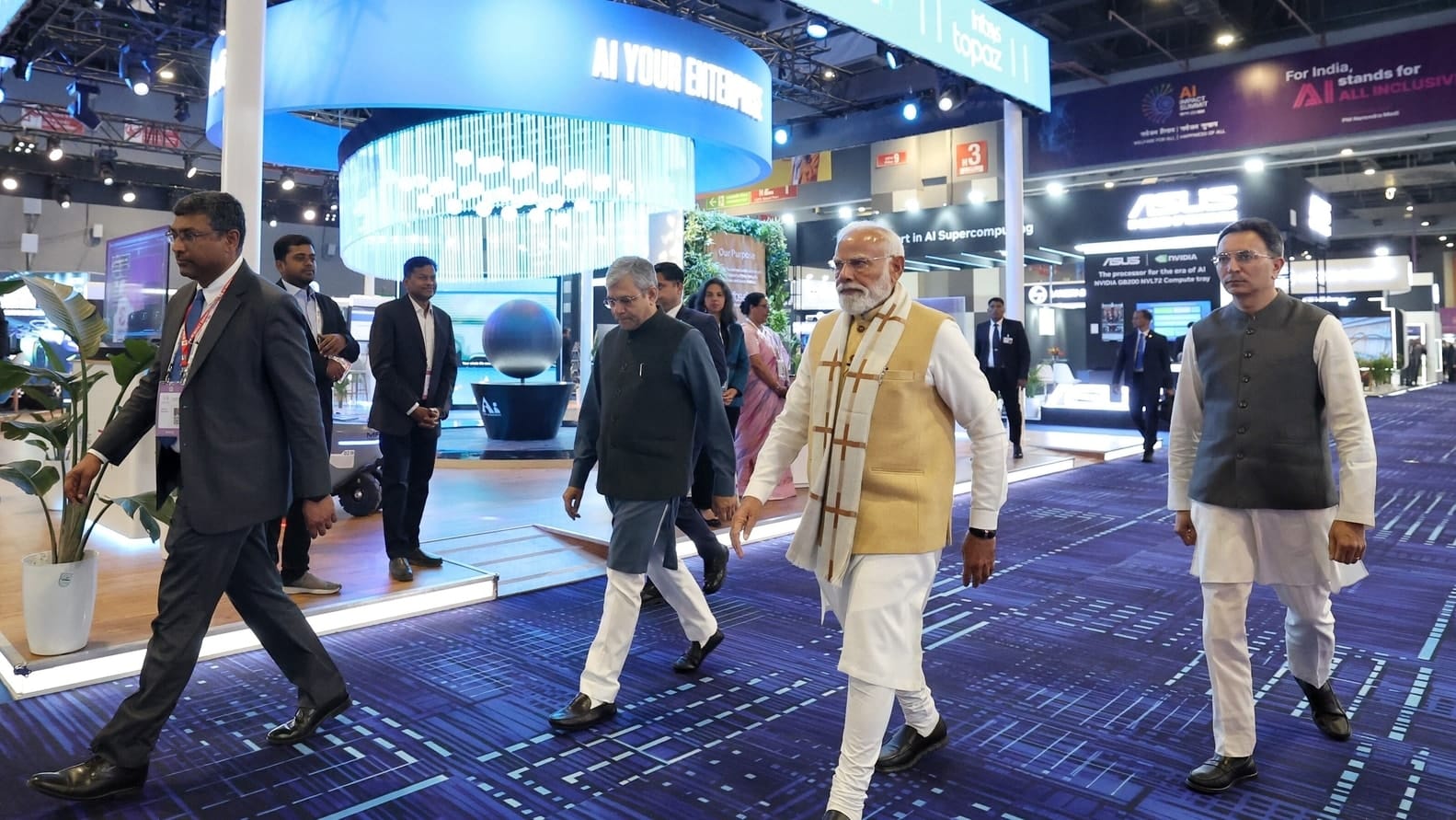
The India AI Impact Summit 2026, hosted at Bharat
Mandapam, was envisioned as one of the largest artificial intelligence gatherings ever organized
in the country. Designed to position India as a global leader in AI innovation and collaboration,
the summit aimed to connect policymakers, global tech leaders, startups, researchers, and
students under one roof. With more than three lakh delegates attending from across India and
abroad, the scale of the event reflected the nation’s growing ambition to lead the AI revolution.
However, despite its grand vision, the summit quickly became overshadowed by logistical
mismanagement and widespread chaos.
From the very first day, attendees faced massive entry queues, multiple layers of security
checks, and confusion regarding access passes. Delegates reported waiting for hours just to
enter the venue. Several expo areas were either temporarily inaccessible or poorly managed,
leaving exhibitors and participants frustrated. Movement between halls proved equally
challenging, with repeated screenings and unclear navigation systems causing delays that led
many to miss scheduled sessions. For an event focused on digital transformation and
technological efficiency, the ground-level execution appeared deeply flawed.
The situation intensified on 18 February when Prime Minister Narendra Modi attended a
high-profile session with Sundar Pichai, CEO of Google. In preparation for the Prime Minister’s
arrival, large sections of the venue were evacuated under strict security protocols. The main hall
was cleared, and ongoing sessions were abruptly interrupted. One of the most talked-about
incidents on 18th feb is the renowned AI scientist Yann LeCun, whose session was reportedly
cut short within minutes due to security directives. Researchers and AI enthusiasts who had
gathered in large numbers expressed disappointment as they were escorted out mid-session,
raising concerns about the lack of coordination between programming and security arrangements.
Beyond the venue, the city itself felt the impact. Traffic congestion around Bharat Mandapam
escalated dramatically, particularly after 5 PM, when large-scale diversions were implemented
for VIP movement. Delegates found themselves stranded in gridlocked traffic for nearly three
hours. Autorickshaw fares reportedly surged, cab availability became inconsistent, and many
international visitors struggled to navigate the disruptions. For an event meant to showcase
India’s technological progress and global readiness, the experience left many questioning the
preparedness behind such a large-scale initiative.
Despite these setbacks, the summit’s intent remains significant. The event brought together
global leaders, emerging startups, and ambitious students eager to contribute to India’s AI
ecosystem. Discussions on innovation, governance, inclusion, and infrastructure highlighted thecountry’s determination to lead in artificial intelligence. However, the gap between vision and
execution became starkly visible. While the India AI Impact Summit 2026 may be remembered
for its bold ambition and global participation, it also serves as a reminder that world-class
aspirations require equally world-class planning and coordination. In the race to lead the AI
future, credibility will depend not only on announcements and partnerships but on the ability to
deliver seamless experiences that reflect the very efficiency technology promises.

