



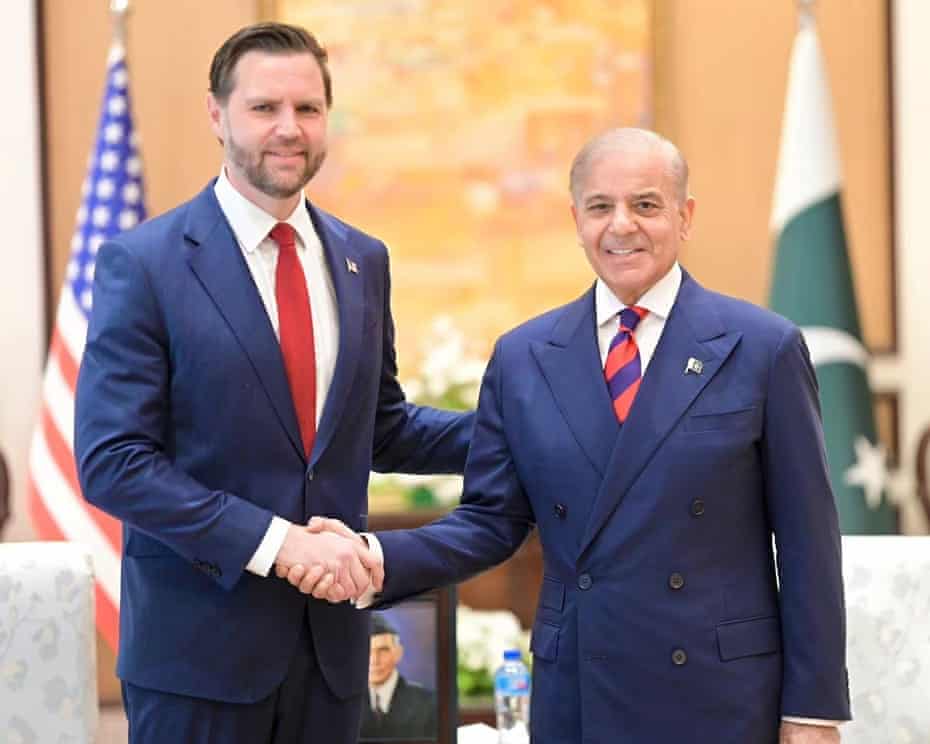
The world’s attention has shifted to Pakistan today, April 11, 2026, as high-level delegations from the United States and Iran landed in Islamabad for a “make-or-break” summit to end the month-long West Asia conflict. U.S. Vice President J.D. Vance, leading the American side, arrived shortly after the Iranian delegation, headed by Parliament Speaker Mohammad Bagher Ghalibaf and Foreign Minister Abbas Araghchi.
These direct negotiations, facilitated by Pakistani Prime Minister Shehbaz Sharif, represent the most significant diplomatic effort since the war began on February 28. A thick security blanket of over 10,000 personnel has turned the Pakistani capital into a fortified zone as the talks commence.
Despite the hope for peace, the atmosphere remains incredibly tense. Just before the delegations met, President Donald Trump issued a stern warning from Washington, stating that the U.S. is “loading up warships with the best weapons ever made” in case the negotiations fail. Trump emphasized that his top priority is ensuring Iran can never possess a nuclear weapon and vowed that the Strait of Hormuz would be reopened “with or without” Iran’s cooperation. Meanwhile, Tehran has set its own tough preconditions, demanding a full ceasefire in Lebanon and the unfreezing of its international assets before any final agreement is signed.
The urgency of these talks is underscored by the rising human and economic toll of the war. Lebanon’s Health Ministry reported today that the death toll from Israeli strikes has surpassed 1,950, while global oil prices continue to fluctuate based on every headline from Islamabad. For India, the stakes are equally high; while Prime Minister Modi has been in close contact with global leaders to ensure energy security, the domestic focus today is also on the aftermath of the first phase of polling in Assam and Kerala.
As the world watches the “Islamabad Talks,” the outcome over the next 24 hours will determine if the Middle East moves toward a lasting truce or a massive military escalation.

