

The Indian government is discussing a massive update to how the Lok Sabha (the lower house of Parliament) works. Instead of the current 543 seats, the number could jump to 816 seats.
The main goal? To finally put the Women’s Reservation Act into action by the 2029 elections without waiting for a new population count (census).
What This Means for the States
To keep things fair, the government wants to increase the total number of seats while keeping the same ratio each state currently has. If this plan goes through, the “Big Three” states would see a significant boost in their power in Delhi:Key Highlights of the Proposal
Women in Parliament: Out of the 816 seats, 273 would be reserved specifically for women. This ensures that one-third of the house is represented by women leaders.
The 2029 Goal: These changes wouldn’t happen overnight. The target is to have this new structure ready for the 2029 General Elections.
Using 2011 Data: Instead of waiting for a brand-new census, the redrawing of boundaries (delimitation) would likely be based on the 2011 Census data to speed up the process.
The “Delinking” Strategy: Usually, women’s reservation was tied to a new census and boundary checks. The government is now looking to “delink” them so the reservation can happen sooner.
Why Is This Happening?
Right now, many believe the current number of MPs is too small for India’s massive population. By increasing the seats to 816, the government aims to:
Make sure every citizen is better represented.
Fulfill the promise of 33% reservation for women without taking away seats from current male-dominated regions (by simply adding more seats overall).
In simple terms: The “classroom” is getting bigger so that more people—especially women—can have a seat at the table without anyone having to give theirs up.

The Big Change: More Seats, More Representation
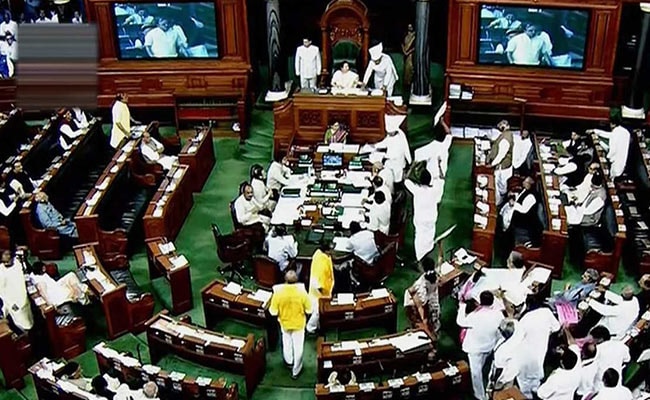
The Big Change: More Seats, More Representation
Keep Reading
Add A Comment
Subscribe to Updates
Get the latest creative news from FooBar about art, design and business.
© 2026 Copyright @ Newscope.