



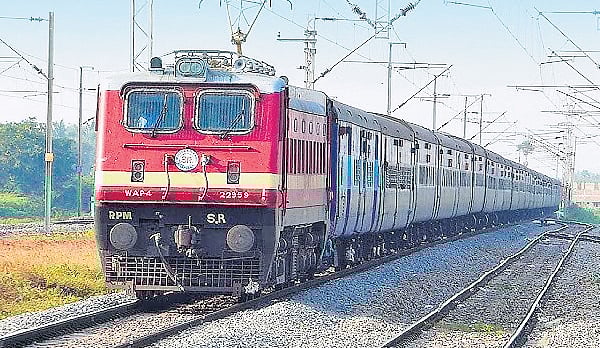
For 28 years, the Angamaly-Sabarimala railway line project via Erumeli, also known as Sabari Rail, was little more than a “ghost project.” It lived on dusty pieces of paper and served as a handy promise for politicians to make during elections, only to be forgotten once the voting ended.But after nearly three decades of waiting, the “Sabri” rail project has finally been given the green light by the central government.
When the project was first announced in the 1997 to 1998 Union Railway Budget, it’s price tag was around Rs 550 crore. Today, thanks to nearly 30 years of waiting, that cost has exploded to a massive Rs 3,810 crore. This delay had real human consequences as over 2,125 families have had their properties marked with boundary stones for years, unable to sell or mortgage their land.
Chief Minister Pinarayi Vijayan recently met Union Railway Minister Ashwini Vaishnaw in New Delhi to push the project forward. Vaishnaw posted on social media about the meeting, writing that he discussed key projects with the Chief Minister and sought support for land acquisition, especially for the railway project connecting Angamaly to Erumeli. He also added “Development of Railways should be above politics and the focus should be on the overall development of the people.”Vijayan himself described the state government’s decision to bear 50 percent of the project cost as a “historical decision.” This commitment, channeled through the Kerala Infrastructure Investment Fund Board, amounts to Rs 1,905 crore.
The railway line will finally connect communities in Perumbavoor, Muvattupuzha, Kothamangalam, and Thodupuzha to India’s rail network. For farmers in these hilly regions, it means better market access. For students, easier commutes to colleges. For elderly residents, dignified travel without grueling bus journeys.
Former MLA Babu Paul, who has campaigned for this project for years, said “Unlike earlier, I’m a bit hopeful now,” suggesting that for him and countless others who have waited decades, this approval represents more than infrastructure development.

