



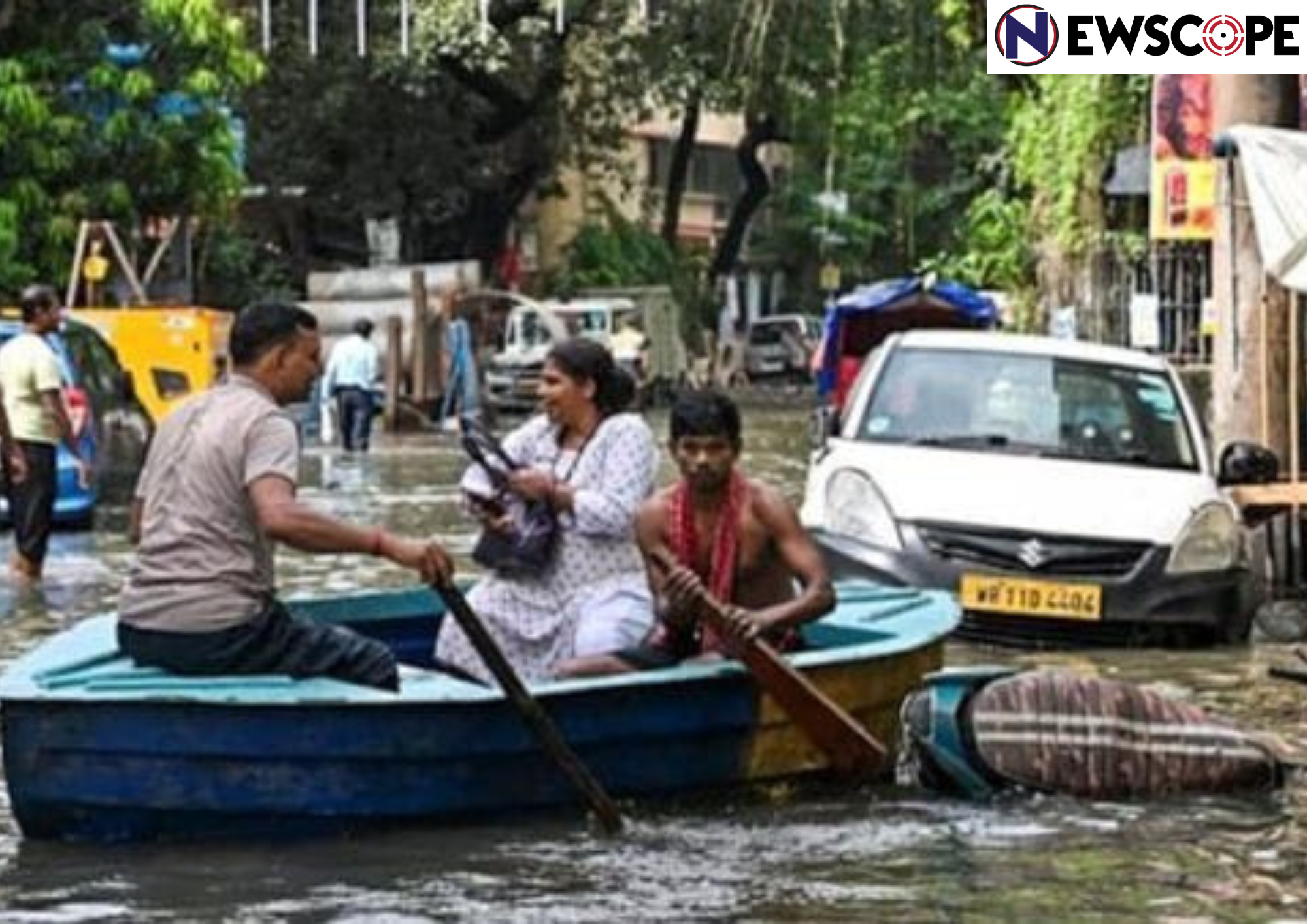
Heavy rain flooded Kolkata on September 23, 2025. This marked the highest September rainfall in 39 years and the sixth-highest in the city’s history. Between the mornings of September 22 and 23, the city saw 251.4 mm of rain. An astonishing 180 mm fell in just three hours. This heavy downpour caused widespread, severe waterlogging, leaving some areas underwater from knee to waist for up to 10 hours.
Experts pointed to several reasons for the crisis. Poorly maintained drainage systems and blocked canals made the situation worse. Additionally, a high tide kept floodwaters from draining properly. This event matches the predictions from the 2021 Sixth Assessment Report (AR6) by the Intergovernmental Panel on Climate Change (IPCC), which warned of more short, intense rainfall in Kolkata. The issue was further complicated by the rapid loss of the city’s natural water bodies, which normally help absorb excess water, due to unchecked urban growth.
Besides the flooding, a large part of the city faced long power outages. Electricity was cut off for an entire day in many areas to prevent electrocution. Despite this, ten people died in the city and nearby areas, with most deaths linked to electrocution. There were claims that live wires supplying power to temporary pandals might have caused these incidents, but the Calcutta Electric Supply Corporation (CESC) denied these allegations. The crisis revealed the city’s vulnerability to extreme weather events, raising concerns about ongoing climate change.

