



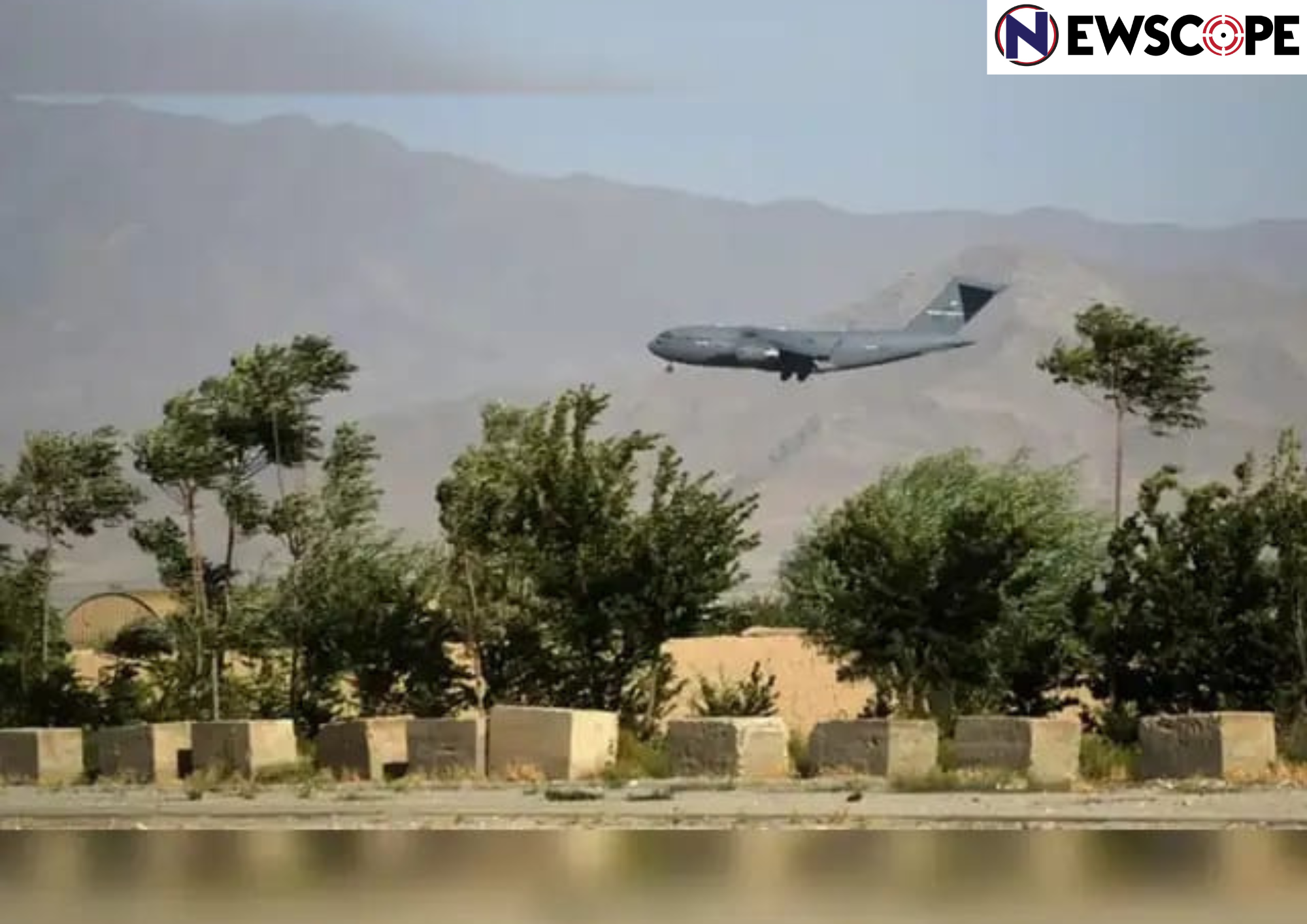
Donald Trump reignited talk about Bagram Air Base, saying it ought to return to U. S. Control and hinting—without much detail—at consequences if Afghanistan refuses. Trump leaned on his usual style, tying the base’s location to the U. S.–China rivalry, then hinted at talks with Afghanistan, leaving the specifics hanging in the air. He never said what he’d do, but the hint of military action hung in the air like the faint rumble of distant drums.
The Taliban flatly rejected talks about giving back Bagram or any stretch of Afghan soil, shutting the door before the dust could settle. They made it clear—Afghanistan’s independence isn’t open for debate, and they’ll defend it against any foreign troops, no matter if it’s tanks rumbling at the border or planes overhead. Taliban officials, including Fasihuddin Fitrat, said they’d rejected similar U. S. Requests during the 2020 peace talks, and, in their words, nothing’s different now. Bagram Air Base isn’t just a dot on the map for regional power—it stands as a clear symbol of U. S.
And NATO forces entrenched in Afghanistan. The Soviet Union built it in the 1950s, and for twenty years it buzzed as a key U. S. Operations hub—until the Americans walked away in 2021. Trump often calls abandoning Bagram a serious mistake for the U. S., while experts and former officials warn that trying to take it back could spark heavy fighting and throw the region into turmoil. They argue the price tag would drown out any real strategic gain, like paying a fortune for a map that leads nowhere. Simply put, the dispute highlights the U. S. And Taliban still locked in a struggle over valuable resources—like the dusty roads leading to copper mines. Trump’s threats, the Taliban’s insistence they stand on their own, and experts’ cautions all reveal a sharp rift. A solution feels far away, and the air already carries the sharp edge of brewing conflict.

