



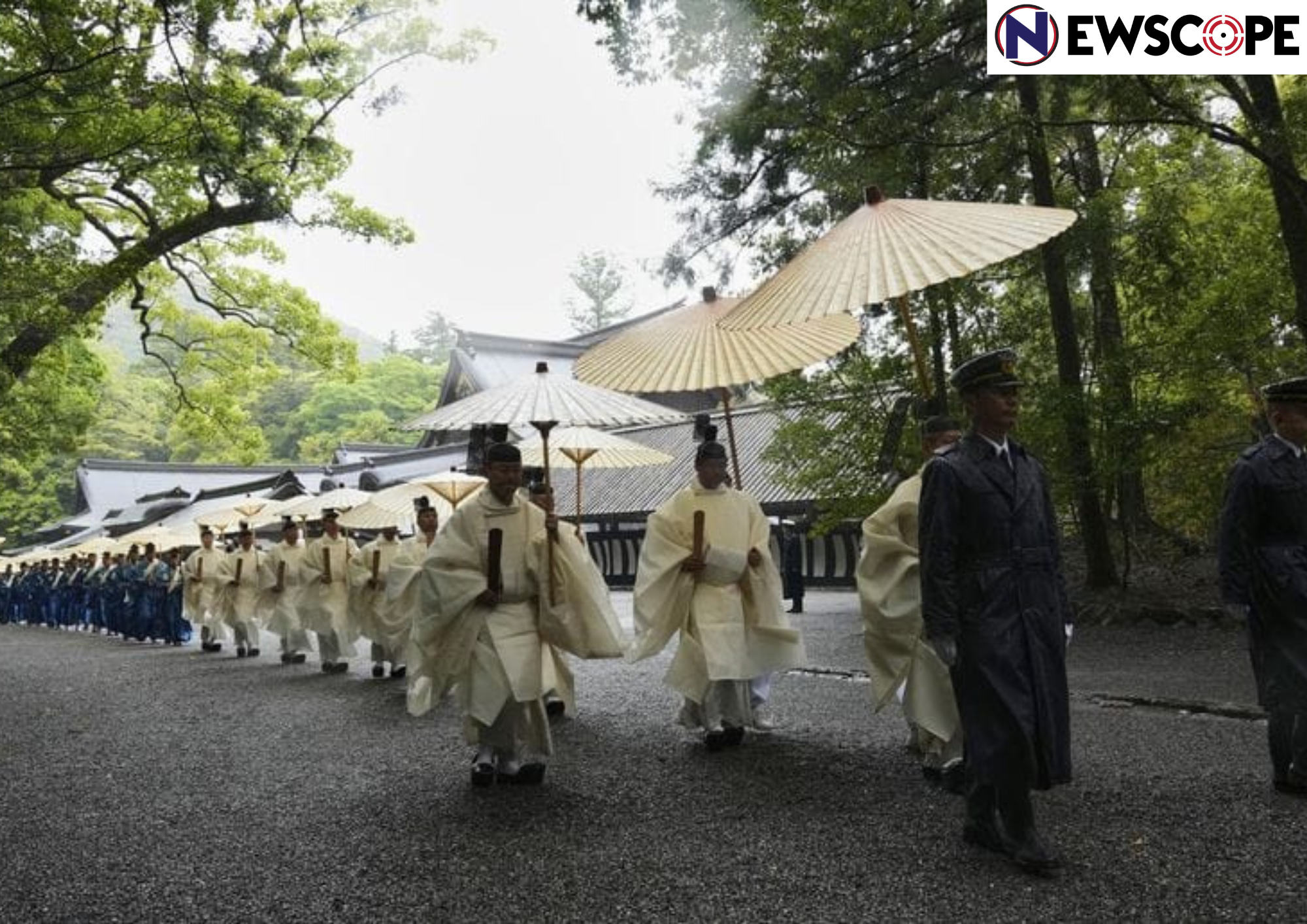
The Ise Jingu, the most sacred of the Shinto shrines in Japan, has commenced its most current rebuilding ceremony; it is a ritual followed every 20 years since a time exceeding 1,300 years ago. It is the start of a nine year period to demolish and rebuild all 125 buildings of the shrines completely with new material made of sacred cypress, and embodies the highly religious and cultural practices of Shintoism.
Rebuilding Ise Jingu: This is a religious ceremony known as Shikinen Sengu that started in 690 CE when Empress Jito was ruling. It is a sign of spiritual rejuvenation, respect towards nature, and propagation between generations, and a blend of old Shinto faith and the art of the Japanese. Carpenters and other skilled craftsmen employ methods that have been used over centuries to restore every structure accurately and had to create literally more than 1,500 ritual garments and objects that were required in the shrine.
It begins with the work of priests and woodsmen, whose mountain ceremonies demand the approval of the gods of the place before they cut down the old cypress trees. The rebuilding cycle that takes place over nine years sees these trees being shipped in a theatric procession with dozens of ceremonies and festivals. Over 10,000 cypress trees will be gathered and refined and preparations go as far as removing special reed thatch that is used in the roofs of the shrines; this type of thatch require almost eight years of growth.
This principal shrine of Ise Jingu was dedicated to the sun goddess Amaterasu, the mythological lineage of the imperial family. Shinto believers and visitors- totaling up to 7 million annually- come to see the rare and so-called, mysterious and heart touching rebuilding ceremonies. At the last ritual of 2033, the sacred deity of the shrine will be moved into a new building that is just being built and the phase of the cycle will be complete.
Although Japan was modernized, and the number of Shinto temples decreased, the reconstruction of Ise Jingu remains a strong message of the living tradition and the revival of nature. The cycle has continued without interruption except in 2 occasions (civil war between 15 th and 16 th century and reconstruction after World War II). Local carpenters, foresters and priests perceive their task to be a rare privilege and a spiritual obligation thereby connecting the past, the present and the future in one of the longest-term human rituals in the world.
This most recent renewal thus reinstates the shrine to the core of Japanese culture to both venerate the past and have hope of the future.

