Tehran/Washington, April 18: Iran has firmly rejected claims by former U.S. President Donald Trump that Tehran agreed to transfer its enriched uranium stockpile to the United States, deepening uncertainty over ongoing diplomatic efforts between the two countries.
The controversy began after Trump, in a recent interview, suggested that the U.S. would work jointly with Iran to recover and eventually take control of its enriched uranium. He described the move as part of a broader plan to ease tensions and prevent nuclear escalation.
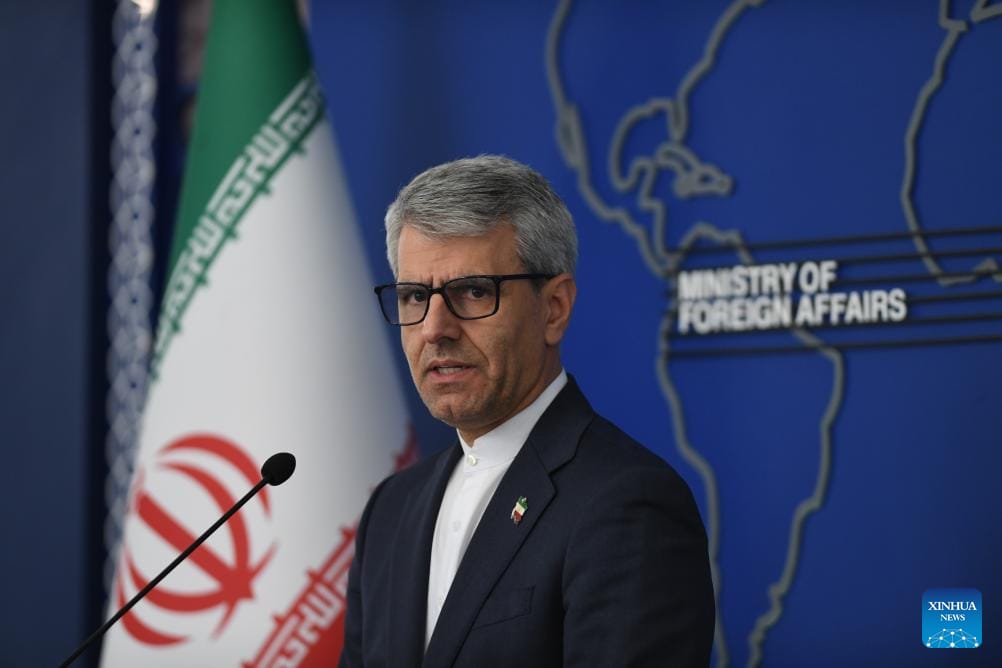
However, Iranian officials swiftly dismissed the statement. A spokesperson for Iran’s Foreign Ministry asserted that the country’s enriched uranium “will not be sent anywhere,” stressing that it remains under Iran’s control and is vital to national sovereignty.
Tehran went further, calling such claims “baseless”and reiterating that no agreement on transferring nuclear material has been reached in any ongoing negotiations. Officials emphasized that Iran’s nuclear programme is intended for peaceful purposes and will continue within its own territory.
The disagreement highlights a growing gap between Washington and Tehran despite reports of renewed diplomatic contacts following recent regional tensions. While Trump expressed optimism about a possible deal and even hinted at progress toward ending hostilities, Iranian leaders have categorically denied any such breakthrough.
Experts say the issue of uranium control remains one of the most sensitive points in U.S.-Iran relations. Iran currently possesses a significant stockpile of enriched uranium, which Western nations fear could potentially be used for nuclear weapons, though Tehran insists its intentions are strictly civilian.
With both sides presenting sharply conflicting narratives, prospects for a comprehensive agreement remain uncertain. Further talks are expected, but key differences—particularly over uranium enrichment and control—continue to pose major challenges.