



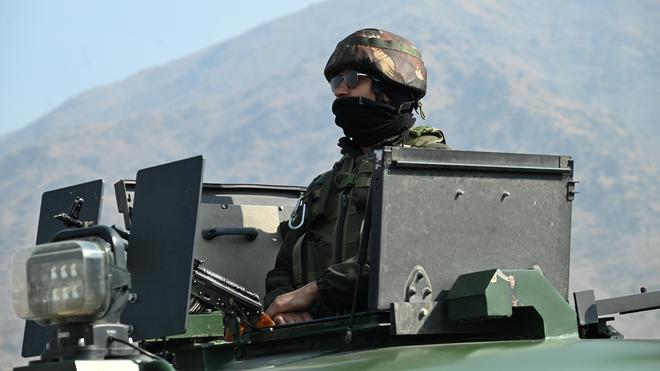
India’s government just dropped its first-ever national counter-terrorism strategy called Prahaar, a no-nonsense plan to smash terror networks head-on.
Rolled out by the Home Ministry, it spells out a tough “zero tolerance” stance against everything from state-backed attacks to jihadist outfits exploiting drones, cyber tools, and the dark web.
At its heart is smart prevention—agencies like the Multi-Agency Centre (MAC) share real-time intel to bust overground supporters, cut off funding streams, and shut down online radicalization hubs before trouble brews.
No more waiting for bombs to go off; it’s about proactive takedowns.When attacks hit, local cops lead as first responders, backed by state commandos and elite units like the National Security Guard (NSG) for big ops.
The National Investigation Agency (NIA) handles probes to rack up convictions that scare off would-be terrorists. Critical spots—power plants, railways, airports, even space and nuclear sites—get beefed-up defenses.
Prahaar rests on seven pillars: stopping attacks upfront, quick calibrated strikes, building agency skills, rights-respecting ops, fighting radicalization roots, global teamwork, and helping communities bounce back.
It eyes modern headaches like crypto cash for terror, chemical threats, and foreign drone incursions, pushing legal tweaks and tech upgrades. This formalized playbook turns years of hard-won lessons into a unified machine, promising sharper coordination to shield the nation amid rising global chaos. A game-changer for India’s security warriors.

