



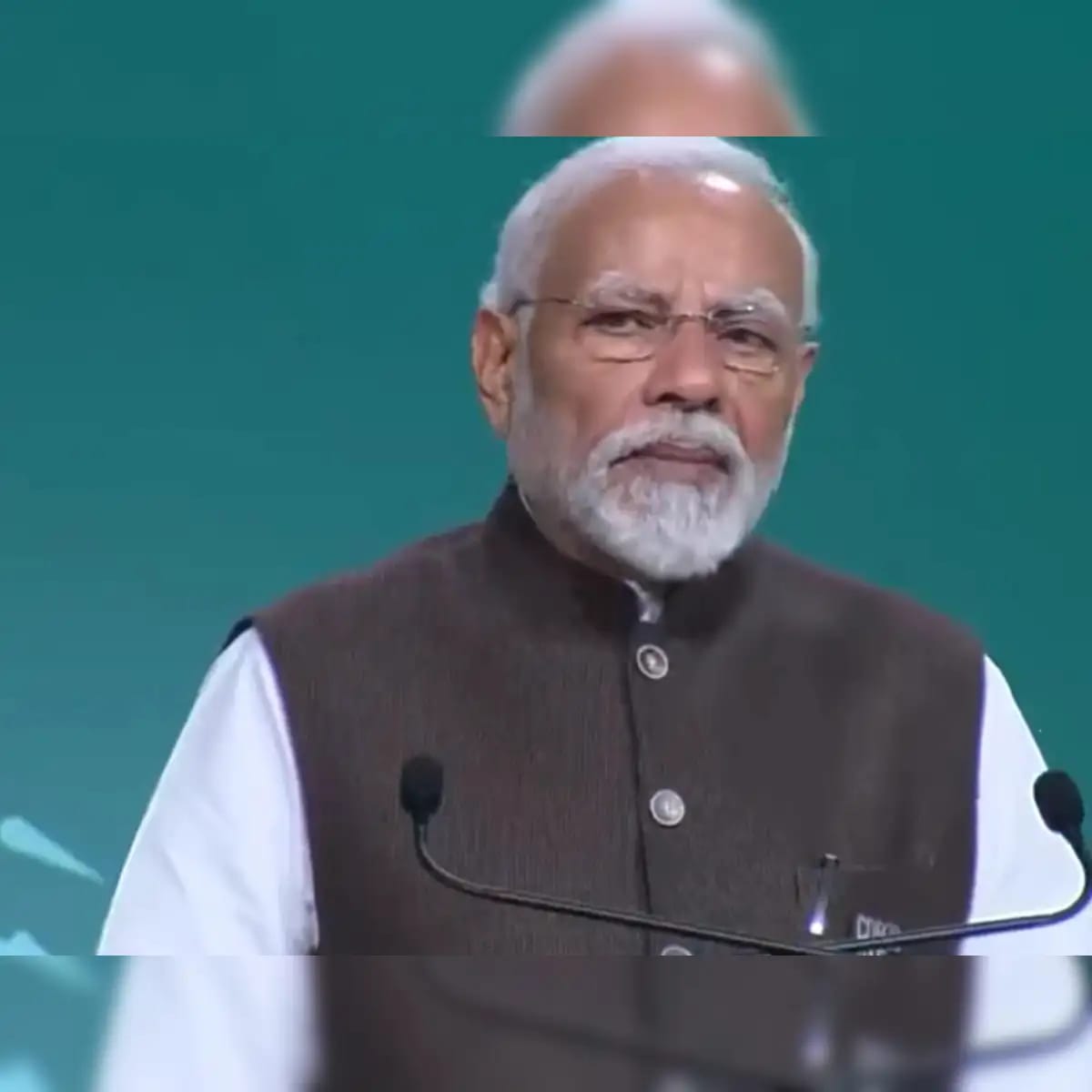
India is no longer inclined to host the 33rd Conference of the Parties (COP33), the United Nations’ flagship climate summit scheduled for 2028, signalling a significant shift in its earlier position on global climate leadership.
The proposal to host COP33 was initially put forward by Prime Minister Narendra Modi during the COP28 summit in Dubai in 2023. However, recent developments indicate that the government has reconsidered its stance and is unlikely to pursue hosting responsibilities for the event.
According to official sources, the decision follows internal deliberations within the government over the past year. While no detailed public explanation has been issued, reports suggest that the move comes after a broader review of India’s commitments and priorities for 2028.
Hosting a COP summit involves not only logistical and financial responsibilities but also a significant diplomatic role. As host and president of the conference, a country is expected to lead global climate negotiations and push ambitious climate action. This responsibility may sometimes conflict with domestic priorities and national positions on key environmental issues, which is believed to have influenced India’s rethink.
COP meetings are held annually under the United Nations Framework Convention on Climate Change and play a crucial role in shaping international climate policy. COP33 is particularly significant as it is expected to conduct the second Global Stocktake — an assessment of global progress toward limiting temperature rise under the Paris Agreement.
India had even initiated preparatory steps, including the formation of a dedicated COP33 cell within the Environment Ministry in 2025. Despite this, the country has now formally communicated its decision to withdraw its candidacy to the Asia-Pacific group of the UN climate body.
With India stepping back, uncertainty surrounds the host of COP33, as no country has officially confirmed its willingness to take on the role. The development marks a notable moment in global climate diplomacy, raising questions about leadership and responsibility in addressing climate change.