



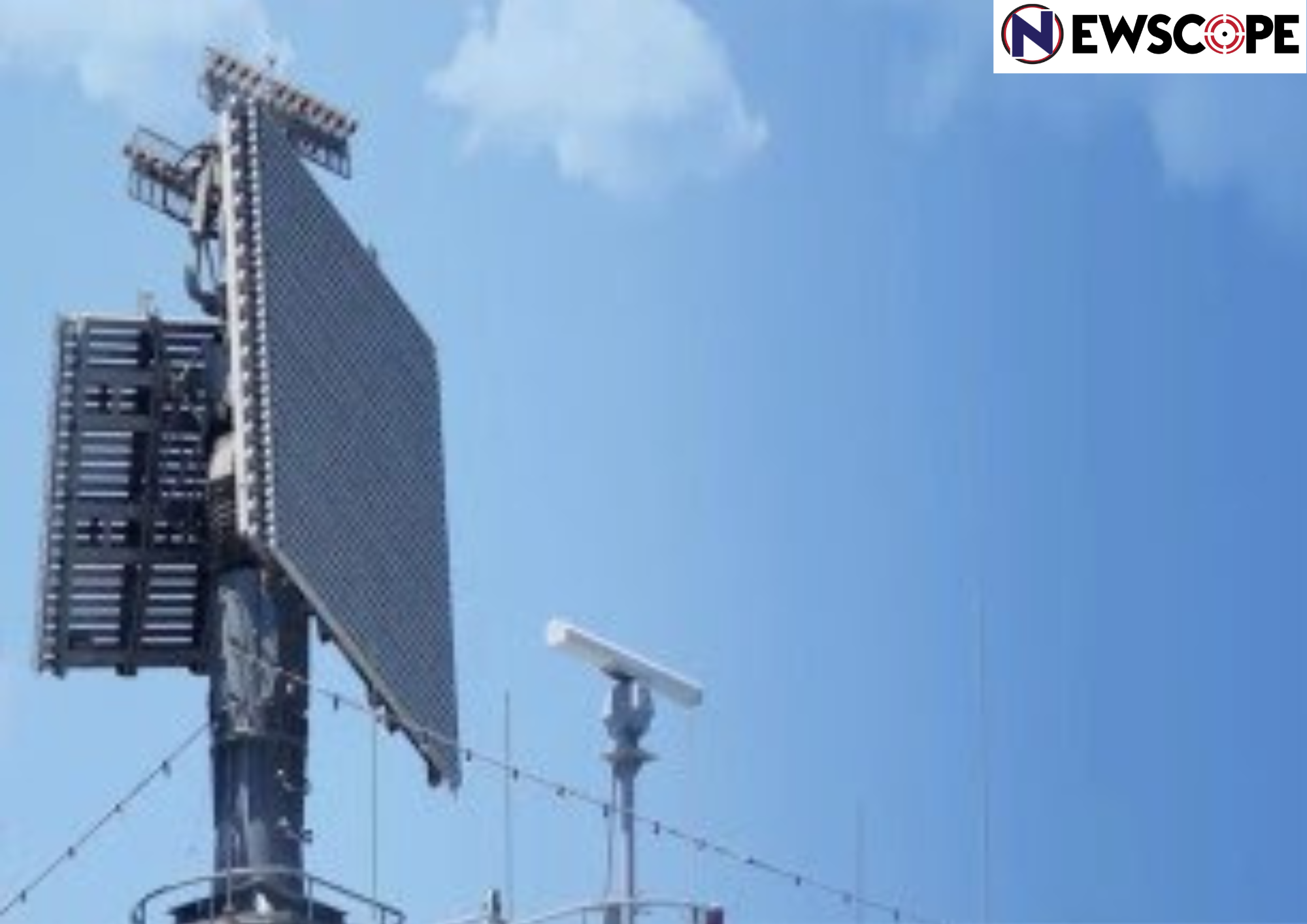
India is increasing its efforts to counter the increasing menace of hostile drones by declaring plans to seal the gaps on its northern and its western frontiers with the new generation of sophisticated radar equipment. The action is based on the experience of cases such as the Operation Sindoor when drones were used in a swarm to highlight the weaknesses of the outdated air defense systems.
Sealing the Loopholes in Drone Defence.
The Army has already posted requests of information (RFIs) and bids to be received on three categories of new radar systems specific to detect and intercept drones:
Low-Level Light weight Radars (Enhanced) (LLLR-E): A total of 45 systems will be inducted. They will include electro-optical day/night tracking as well as passive RF sensors that could detect drone communication links. Intended to provide the perpetual eyes on the sky, they will be specifically against swarms of small drones that can overwhelm the defenses.
Air Defence Fire Control Radar-Drone Detectors (ADFCR-DD): 48 units are to be designed. These multitasking radars will be fitted on one vehicle and will be used to scans, track and fire. They will control air defense guns, such as the L/70 and the Very Short Range Air Defence System ( VSHORADS ), in the quick response to aerial threats.
Low-Level Light Weight Radars (Improved) (LLLR-I): 10 more radars are under separate seek. These 3D AESA radars are capable of tracking more than 100 targets simultaneously in a range of 50km that gives both a detailed airspace and prioritization of threats t the commanders of the battle field.
The three systems will interface with the Akashteer air defense system of the Army that combines sensors, communication connections and shooters giving the commanders real-time observation of the skies.
To the Army, these new radars are not ends in themselves but as part of a broader technology shield around India frontiers. Integrated Drone Detection and Interdiction Systems (IDD&IS) have already been deployed by the country on the China border. These are indigenously designed by DRDO and Bharat Electronics Limited and comprise jamming devices (soft kill), with directed-energy lasers (hard kill).
In order to ensure the western frontier where drones have been deployed to smuggle arms and carry out surveillance, governments are also implementing a system to detect tunnels and a Comprehensive Integrated Border Management System (CIBMS) which uses cameras and sensors and networked surveillance.
In September 2025 the Army also declared that 5,000 tethered drones would go into action so that its troops could have twenty-four-hour beyond-line-of-sight surveillance of sensitive areas along the border, which would greatly augment its vigilance in vulnerable regions.
One of the senior Army personnel serving in the project told us, we are leaving a reactive position and transitioning into a layered proactive defense. Drones cannot be considered a challenge of the future anymore, it is one of the current and ongoing challenges. Our goal is to intercept and intercept them even before they cross the border.
With the modernization of the Indian air defense ecosystem, the emphasis is not only on the technological purchase but on the formation of the system of radars, drones, sensors, and electronic warfare as one interdependent system and a protective bubble. In a world that friendly drones can pose as dangerous as fighter jets, this new form of drone shield is a much needed advancement in protecting the Indian skies- and its borders.

