



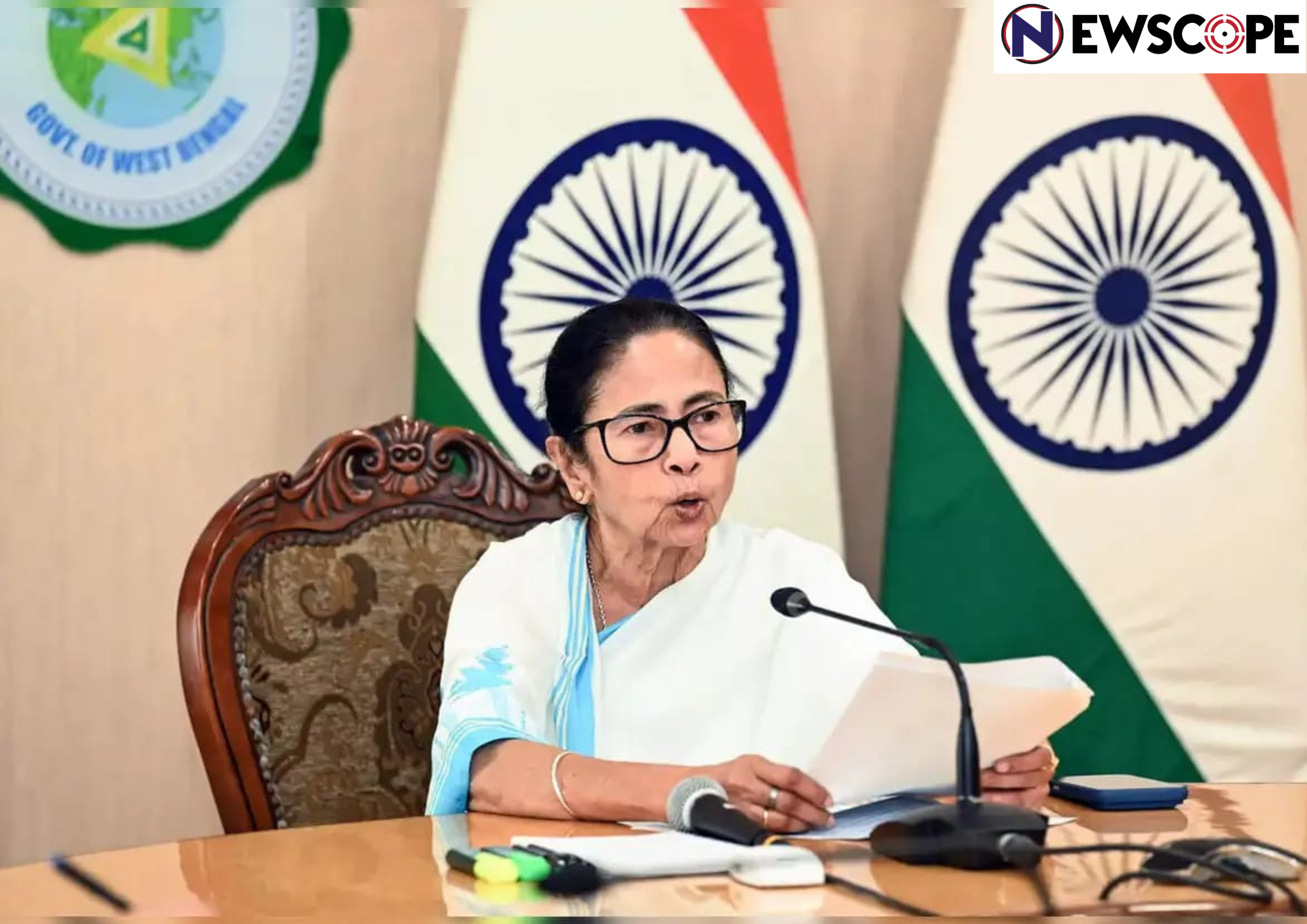
In Bengal, even a health survey can turn political. That’s what happened this week when Chief Minister Mamata Banerjee raised eyebrows over a mental health study being carried out by AIIMS-Kalyani.
On the surface, the exercise was meant to gather data on people’s mental well-being—part of a larger national project led by NIMHANS in Bengaluru. But Mamata wasn’t convinced. She told reporters at Nabanna that such surveys could be a cover for something much deeper, even dangerous—an attempt to collect personal data the way the NRC (National Register of Citizens) exercise once threatened to do.
“Don’t give away your details to strangers,” she warned. “Some people are going door to door, asking questions in the name of health. But we know how these things can be used later—to strike names off voter lists, to create fear.” Her voice carried both caution and defiance, as if she were shielding her people from an unseen hand. Her remarks spread quickly, unsettling many residents who were already wary of officials knocking at their doors. The very mention of “NRC” in Bengal is enough to stir old anxieties, recalling days when the possibility of exclusion loomed large over millions. AIIMS-Kalyani, for its part, has tried to set the record straight. In a statement, the institute clarified that the project is part of the National Mental Health Survey (NMHS-2), approved and guided by both state and central health authorities. The questions, they stressed, are scientific and based on models validated by the World Health Organization. “This is about health, not politics,” the message seemed to be. But in Bengal’s charged political climate, health and politics often blur. For citizens, this tug-of-war is confusing. Should they open their doors to surveyors? Should they refuse? What Mamata Banerjee’s warning really highlights is a deeper issue: trust. Public health surveys depend on faith between institutions and people.
Without it, suspicion grows, and even well-intended research risks being seen as a political trap.
For now, ordinary families remain caught in the middle—wanting better health care, but unwilling to gamble with their identity and rights.

