



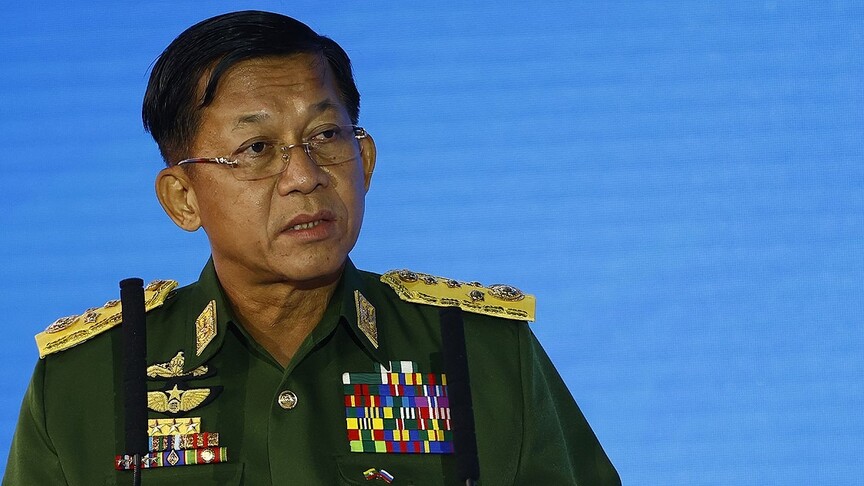
A criminal complaint accusing Myanmar’s President Min Aung Hlaing of genocide against the Rohingya community has been filed in Indonesia, marking a significant step in international legal efforts to hold the country’s military leadership accountable.The case, lodged in Jakarta by a coalition of human rights groups and Rohingya activists, centres on the military crackdown in 2017 in Rakhine State. During the operation, Myanmar’s armed forces allegedly carried out mass killings, sexual violence, and widespread destruction of villages, forcing more than 700,000 Rohingya Muslims to flee to neighbouring Bangladesh.Legal experts say the complaint has been filed under the principle of Universal Jurisdiction, which allows national courts to prosecute individuals for grave crimes such as genocide, regardless of where they were committed. This is reportedly the first time Indonesia’s legal system has been used in such a case.
The filing has been supported by international advocacy groups, including the Myanmar Accountability Project, along with testimonies from Rohingya survivors. The complaint draws on United Nations reports and documented evidence of what investigators have described as a “systematic campaign” against the minority community.Myanmar’s authorities have consistently denied allegations of genocide, maintaining that the 2017 military operations were legitimate counter-insurgency measures. However, the case adds to mounting global legal pressure on the country’s leadership.Proceedings against Myanmar are also underway at the International Court of Justice, where The Gambia has accused the country of violating the Genocide Convention. Additionally, the International Criminal Court has been examining related allegations of crimes against humanity.The Indonesian case is being closely watched by legal observers, as it could set a precedent for holding national leaders accountable beyond their own borders. It also represents a renewed push for justice by the Rohingya community, many of whom continue to live in refugee camps years after fleeing violence.

