



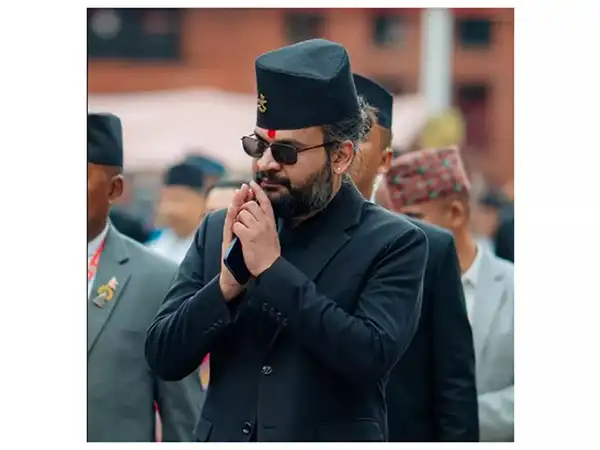
Nepal woke up on March 7 to an election result few had seriously predicted. Balendra Shah, the outspoken former mayor of Kathmandu and a rising face of the Rastriya Swatantra Party, defeated former prime minister KP Sharma Oli in Jhapa Constituency 5 by a huge margin. Official results from the March 5 general election show Shah receiving 68,348 votes, while Oli managed 18,734. The difference, more than 49,000 votes, has sent shockwaves through Nepal’s political circles. It is not only a defeat for one of the country’s most powerful political figures, but Shah’s vote tally is also being described as the highest ever secured by a candidate in a parliamentary election in Nepal.
For many voters, the outcome reflects something deeper than a single constituency battle. It captures a growing frustration with Nepal’s traditional political leadership. Oli, a senior leader of the Communist Party of Nepal Unified Marxist Leninist, has served twice as prime minister and has long been one of the most influential figures in national politics. Yet he was defeated by a 35 year old leader who entered politics as an outsider and built his popularity by speaking directly to younger voters. Shah first gained nationwide attention when he won the Kathmandu mayoral election as an independent candidate, campaigning on a message of practical governance rather than party ideology.
On the streets of Jhapa, reactions ranged from excitement to cautious hope. Rojan Bhattarai, a 22 year old student, said he believed Shah would win but did not expect such a commanding result. “I thought he had strong support,” he said, “but this margin shows people really wanted change.” Others were more measured in their expectations. Dharmakala Gautam, a 74 year old resident who witnessed the unrest during last year’s protests, said Nepalis had heard promises of reform before. Still, she added that the new leadership deserved an opportunity to prove itself.
Political observers say the result underlines a wider shift in Nepal’s political mood. Kunda Dixit, publisher of the weekly Nepali Times, described Shah’s victory as one of the biggest upsets in the country’s democratic era. Leaders within the Rastriya Swatantra Party have already hinted that Shah could emerge as the party’s parliamentary leader and even a potential prime ministerial candidate. For someone who once worked as an engineer and was known in underground music circles, Shah’s journey into the heart of national politics marks a remarkable moment and perhaps the beginning of a new political chapter for Nepal.

