



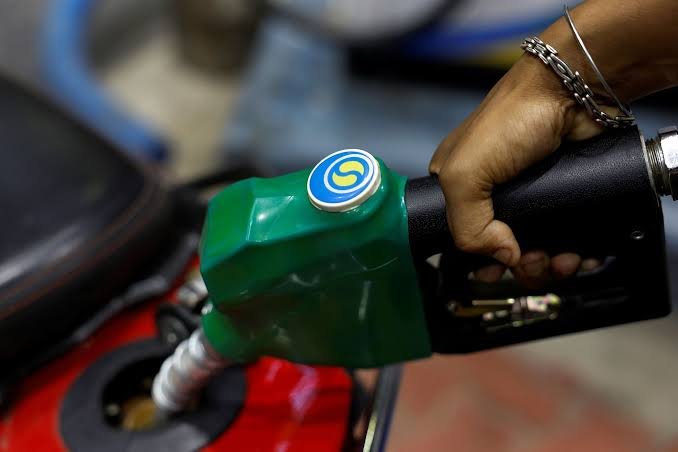
Bengaluru, November 6, 2026: In a startling revelation that has triggered intense consumer concern and political friction between the state and the Centre, the Karnataka government on Friday alleged that state-run and private oil marketing companies (OMCs) are selling petrol with ethanol blending levels touching as high as 31.2%—far exceeding the mandated national ceiling of 20% (E20).
Releasing lab test data at a press conference in Bengaluru, Karnataka Minister for Food, Civil Supplies, Consumer Affairs and Legal Metrology Rizwan Arshad demanded an immediate, high-level investigation by the Union Ministry of Petroleum and Natural Gas, calling for strict punitive action against OMCs, transparent disclosure of ethanol levels at every dispensing unit, and a dedicated compensation mechanism for affected motorists.
Independent Testing Across Seven Districts: Readings Breach 30%
The controversy emerged after the Department of Legal Metrology lifted 63 fuel samples across retail outlets run by Indian Oil Corporation Limited (IOCL), Bharat Petroleum Corporation Limited (BPCL), Hindustan Petroleum Corporation Limited (HPCL), Nayara Energy, and Shell in seven districts: Bengaluru, Kolar, Chikkaballapura, Bengaluru Rural, Ramanagara, Mangaluru, and Tumakuru.
According to the minister, samples were initially sent to in-house laboratories of IOCL and BPCL, but the companies’ reports withheld the ethanol percentage despite it being a statutory test parameter. The state subsequently sent the batches to independent, NABL-accredited and ISO-certified laboratories.
The independent lab test results revealed significant over-blending across brands:
- Indian Oil Corporation (IOCL): Recorded the highest concentration at 31.2% ethanol.
- Hindustan Petroleum (HPCL): HP Power recorded 30.5%, while regular HPCL petrol tested at 27%.
- Bharat Petroleum (BPCL): BPCL Speed recorded 26.5%.
- Private Players: Nayara Energy recorded 26.1%, while Shell registered 25.5%.
‘A ₹1 Lakh Crore Hit’: Financial and Mechanical Blow to Motorists
Minister Rizwan Arshad accused fuel companies of profiting at the direct expense of common motorists, calculating a total estimated financial burden of ₹1.01 lakh crore annually on Indian consumers due to uncalibrated over-blending:
- Drop in Fuel Economy: With national petrol consumption standing at roughly 6,200 crore litres annually, a 10% decline in mileage caused by excessive ethanol content costs vehicle owners an estimated ₹62,000 crore each year at ₹100 per litre.
- Severe Mechanical Damage: Most two-wheelers and passenger vehicles on Indian roads are calibrated only for E10 or E20 fuels. Higher concentrations above 25% cause corrosion and premature wear of fuel injectors, pumps, gaskets, rubber hoses, and filters, imposing an estimated ₹39,000 crore in out-of-pocket repair bills.
- Warranty Ambiguity: The minister noted that prominent vehicle manufacturers had initially warned about engine incompatibility with high ethanol blends before falling quiet following central directives, leaving vehicle warranties ambiguous if damage occurs from fuel containing over 30% ethanol.
Karnataka Demands Pump-Level Disclosure and Penalties
The Karnataka government stated it will continue random testing across all 31 districts and publish findings in the public domain.
Outlining the state’s demands to the Union Government, Arshad insisted:
- Dispenser Disclosure: Every retail fuel nozzle must clearly display the exact ethanol percentage so motorists know what they are pumping.
- Consumer Relief Fund: Creation of a central compensation mechanism funded by OMC penalties to reimburse vehicle owners facing engine repairs and mileage loss.
- Accountability for OMCs: An immediate probe to ascertain whether over-blending is an operational failure in automated blending infrastructure or a deliberate cost-cutting measure by fuel distributors.
There was no immediate formal response from the public sector oil marketing companies regarding the test findings.

