



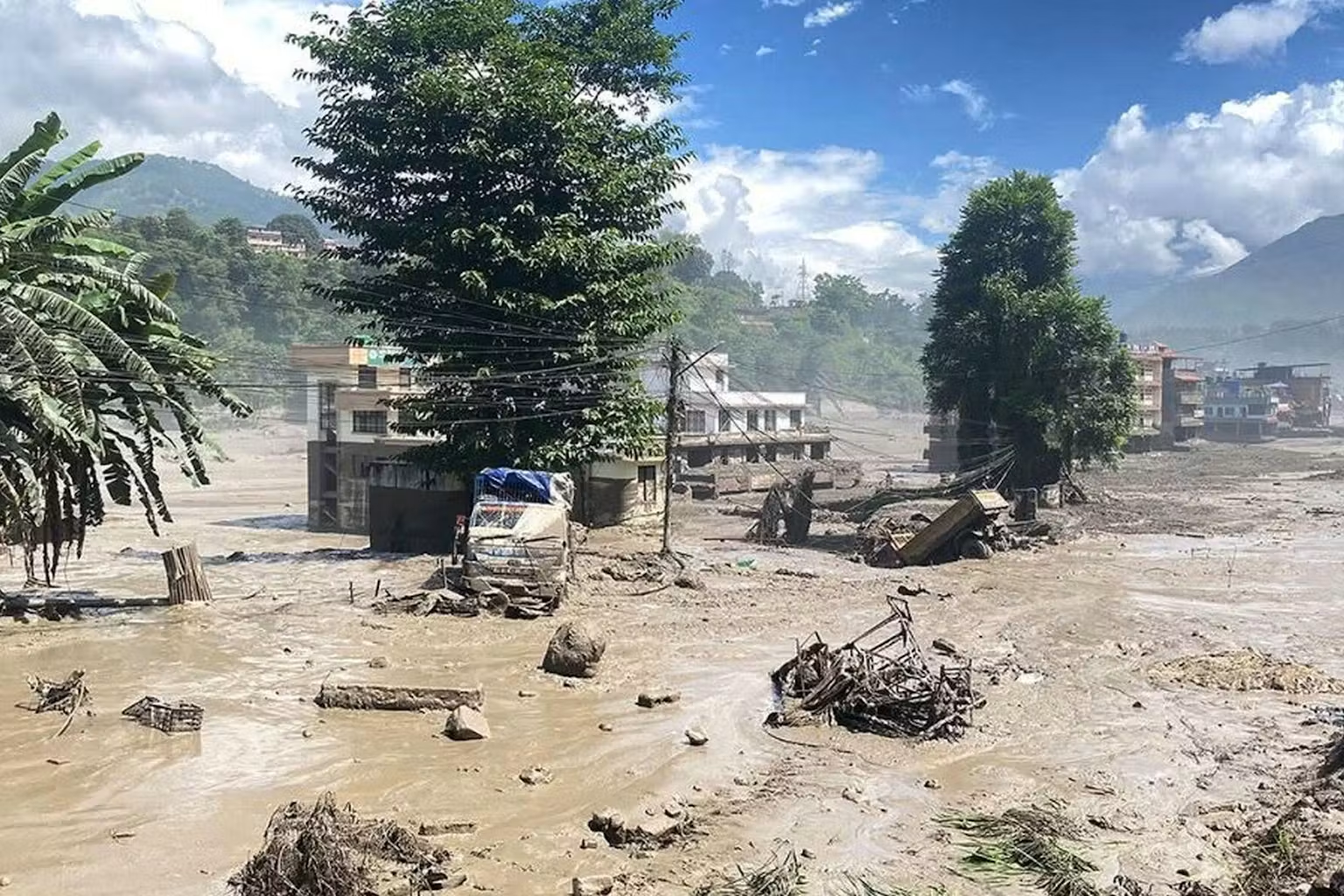
Nepal is facing a major humanitarian crisis after devastating flash floods swept through parts of the country, leaving hundreds dead and many people missing. Rescue and recovery operations have been intensified as authorities search for survivors and assess the extensive damage caused by the floods.
According to reports, the death toll from the disaster has risen sharply, with Nepal Police reporting hundreds of fatalities. The flooding has also left a large number of people missing, raising concerns that the toll could increase further as search teams reach isolated and damaged areas.
The disaster has particularly affected the Rasuwa and Bhotekoshi areas, where heavy rainfall and sudden flash floods caused rivers to swell rapidly. Roads, bridges and other infrastructure have suffered significant damage, while several communities have been cut off from surrounding areas. The disaster has also disrupted travel and tourism activities in the mountainous region.
Rescue teams, police personnel and other emergency workers have been deployed to affected locations. Operations remain difficult because of damaged roads, unstable terrain and continuing risks in flood-affected areas. Authorities are focusing on locating missing people, providing emergency assistance and restoring connectivity to communities that have been isolated.
The crisis has also affected Indian nationals working and travelling in Nepal. Indian authorities have been coordinating rescue efforts and providing updates on citizens who remain stranded or uncontactable. The Ministry of External Affairs has released details of Indian nationals rescued from the Trishuli-I hydropower project, where workers were caught in the disaster.
Indian states have also begun coordinating with the central government over the situation. Four Tamil Nadu ministers travelled to Delhi to help coordinate the rescue of residents from the state who were stranded in Nepal.
The floods are creating concerns for Nepal’s tourism industry, which remains an important part of the country’s economy. The damage in the mountainous regions has disrupted pilgrimage and tourism routes, including areas connected with the Kailash Mansarovar pilgrimage. The disaster has once again highlighted the vulnerability of Nepal’s mountain communities to sudden floods and other climate-related hazards.
Beyond the immediate rescue operation, the disaster is expected to create a major reconstruction challenge for Nepal. Damaged roads, bridges, homes and public infrastructure will require extensive repairs. Local authorities will also have to provide shelter and essential supplies to displaced families.
The latest crisis comes at a politically sensitive time for Nepal, which has undergone significant political changes following youth-led protests and a change in government. Prime Minister Balen Shah’s government is now facing the additional challenge of managing a large-scale natural disaster while maintaining essential public services.
As rescue operations continue, authorities are urging people in vulnerable areas to remain alert and follow official safety instructions. The immediate priority remains saving lives, locating missing people and reaching communities cut off by the floods. The scale of destruction means Nepal is likely to require sustained relief and reconstruction efforts in the weeks ahead.

