



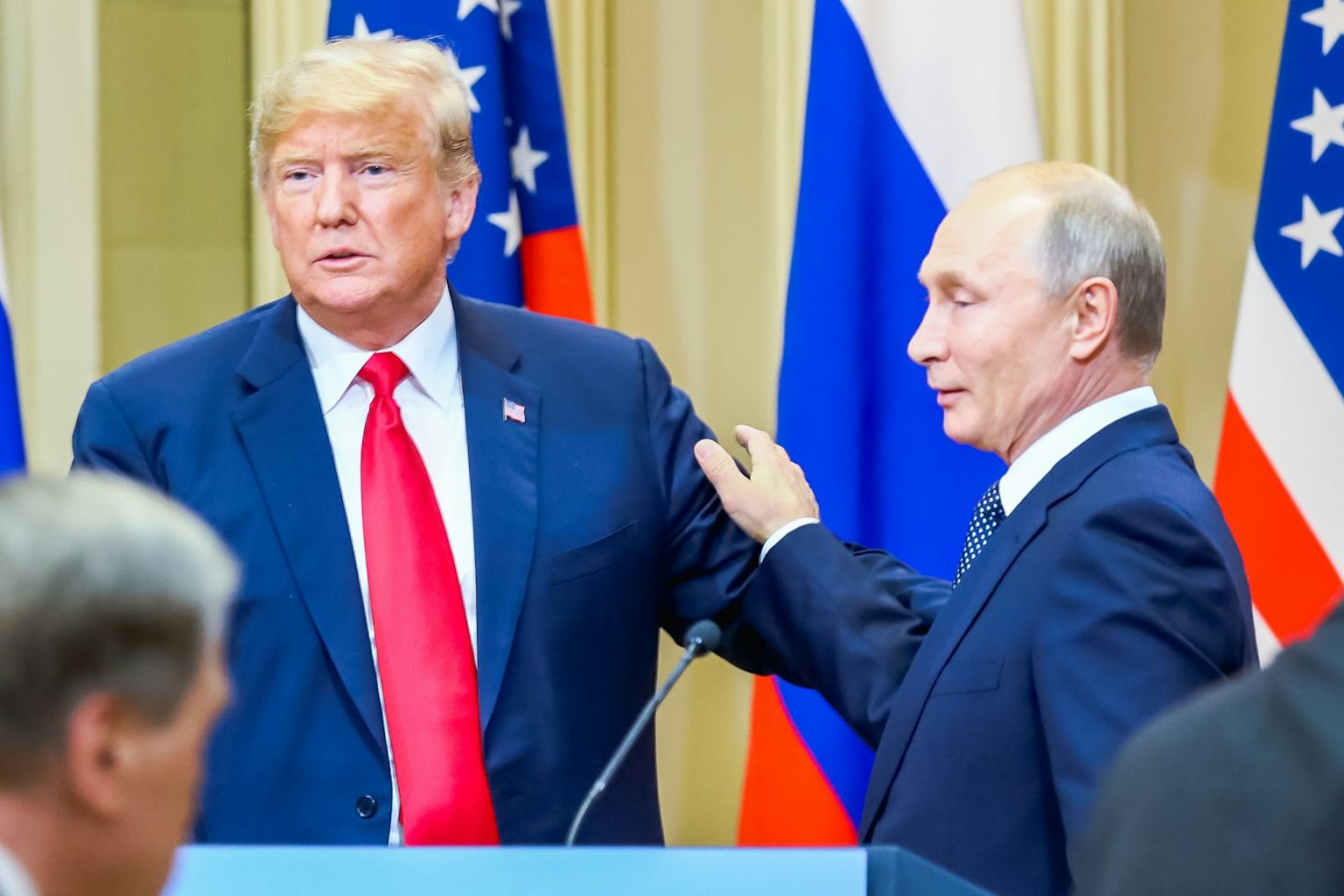
In a significant development in global diplomacy, former U.S. President Donald Trump and Russian President Vladimir Putin held a 90-minute phone conversation on April 29, focusing on the ongoing Russia-Ukraine War and escalating tensions involving Iran.According to official statements, the conversation was described as “frank and businesslike,” reflecting both cooperation and continuing disagreements on major geopolitical issues. Trump later termed the discussion “very good,” hinting at cautious optimism.
The primary focus of the call was the war in Ukraine. Putin reportedly proposed a temporary ceasefire around May 9, coinciding with Russia’s Victory Day celebrations. Trump expressed support for a pause in hostilities, suggesting that even a limited ceasefire could be a step toward broader peace negotiations.However, major hurdles remain. Russia continues to insist on territorial concessions, particularly in eastern Ukraine, a demand firmly rejected by Kyiv. Ukrainian authorities have also expressed skepticism about ceasefires, citing past violations.The leaders also discussed the situation in the Middle East, particularly tensions linked to Iran.
Putin cautioned against further military escalation and indicated Russia’s willingness to play a role in managing sensitive issues such as nuclear material.Trump, while acknowledging the importance of the region, reportedly emphasized that resolving the Ukraine conflict should remain the immediate priority. Beyond conflict zones, the conversation touched on broader areas including potential economic cooperation and energy-related issues. Analysts view this as a sign that both sides are exploring long-term strategic engagement despite ongoing conflicts.Despite the length and depth of the discussion, no concrete agreements were announced. Experts note that while the call reflects renewed high-level engagement, deep divisions particularly over territory and security guarantees continue to block a comprehensive peace deal.The proposed Victory Day ceasefire could emerge as an early test of intentions on both sides. However, with trust deficits and active fighting still shaping realities on the ground, the path to lasting peace remains uncertain.

