



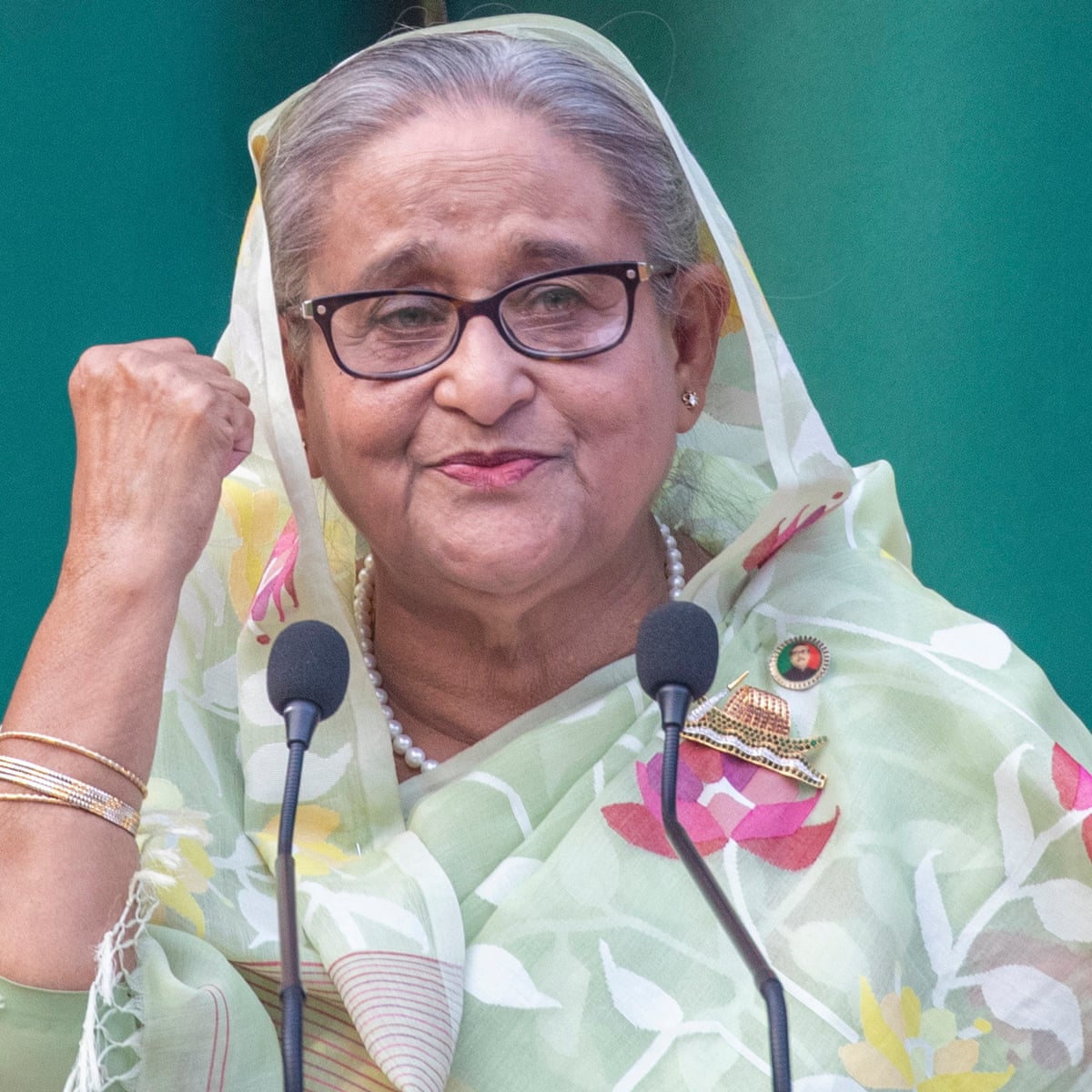
In the first high-level diplomatic meeting since the February 2026 elections, Bangladesh’s newly appointed Foreign Minister, Dr. Khalilur Rahman, officially requested the extradition of former Prime Minister Sheikh Hasina from India.
During talks with Indian External Affairs Minister S. Jaishankar in New Delhi on Wednesday, April 8, 2026, the Bangladesh Nationalist Party (BNP)-led government reiterated that Hasina must return to face the death penalty awarded to her by the International Crimes Tribunal.
The tribunal had found her guilty of crimes against humanity related to the 2024 student-led uprising, which resulted in the deaths of over 1,400 people.
The request marks a significant moment for the new administration under Prime Minister Tarique Rahman, which is operating under a “Bangladesh First” foreign policy.
Alongside the demand for Hasina, Dhaka also sought the return of former Home Minister Asaduzzaman Khan Kamal.
Despite the heavy nature of the extradition request, both nations appeared committed to maintaining their broader relationship.
Indian officials indicated that while the extradition request is being “examined” through judicial and internal legal processes, the two countries have agreed to ease visa restrictions for Bangladeshi citizens—especially for medical and business travel—and to deepen cooperation in energy and trade.
The diplomatic dialogue also touched upon regional security and essential supplies. Dr. Khalilur Rahman thanked India for its recent help in apprehending suspects in the killing of a prominent activist and requested an increase in diesel and fertilizer exports to support Bangladesh’s economy.
While India has not yet committed to a timeline for Hasina’s return, citing legal complexities and the principle of non-refoulement, the meeting suggests a pragmatic “reset” in ties.
Both sides emphasized that the judicial issues surrounding the former Prime Minister should not hinder the strategic partnership between the two neighboring countries as they move forward.

