



The India AI Impact Summit 2026 in New Delhi, intended as a stage for domestic innovation, recently became the center of a viral controversy involving Galgotias University.
The institution faced severe backlash after it was accused of misrepresenting a commercially available Chinese product as an in-house invention.
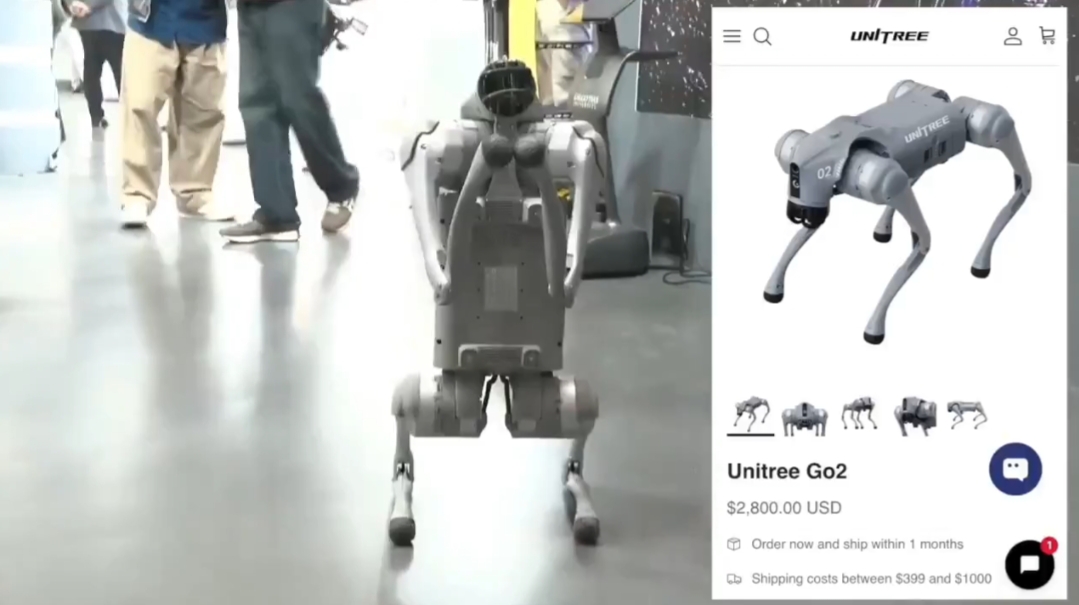
The controversy centered on a robotic dog named “Orion,” which was showcased at the university’s pavilion at Bharat Mandapam.
During a media interaction, a university representative described the robot as a product “developed by the Centre of Excellence at Galgotias University,” linking it to the institution’s reported ₹350 crore investment in AI.
The narrative quickly shifted when tech enthusiasts on social media identified “Orion” as the Unitree Go2, a mass-produced quadruped manufactured by the Chinese firm Unitree Robotics. Observers pointed out that the robot is widely available online for approximately ₹2–3 lakh ($2,800), and some noted that the original manufacturer’s branding was still visible on the device.
The incident drew further national attention after high-ranking government officials initially shared footage of the robot before the discrepancy was flagged.In the wake of the uproar, the Ministry of Electronics and Information Technology (MeitY) took swift action to maintain the summit’s integrity.
Reports indicated that the power supply to the university’s pavilion was cut off, and the institution was ordered to vacate its stall immediately.
The university initially defended its position, characterizing the criticism as a “propaganda campaign.”
However, as pressure mounted, it issued a formal apology, shifting the blame to an “ill-informed” representative who allegedly provided “factually incorrect” information due to her “enthusiasm for being on camera.
“Ultimately, the university clarified that the robot was purchased as a “learning tool” for student experimentation rather than an indigenous creation.
The fiasco has since sparked a broader conversation about academic ethics and the transparency required when showcasing global technology at national platforms dedicated to “Make in India” initiatives.

