



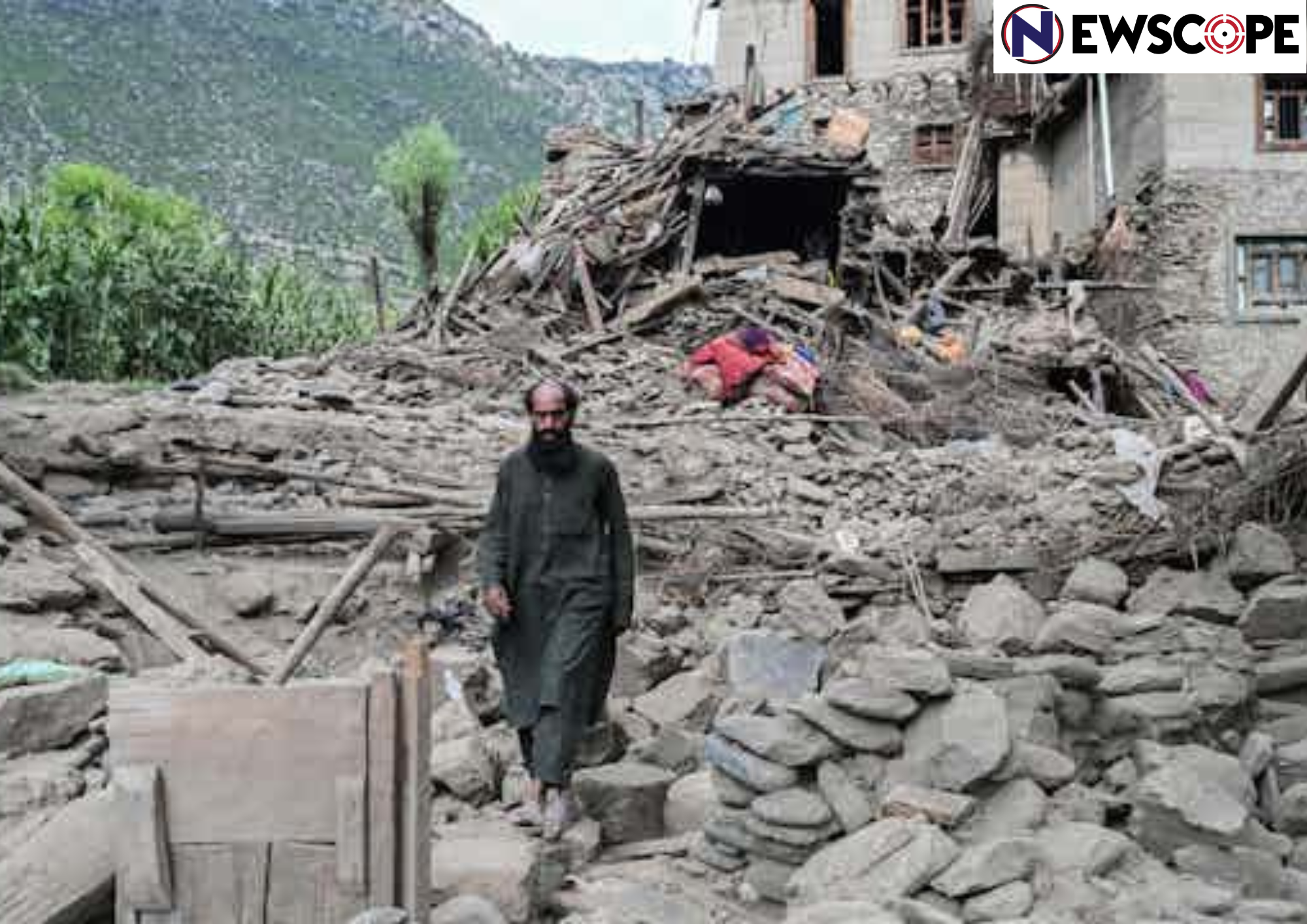
A strong magnitude 6.0 earthquake struck eastern Afghanistan late Sunday evening (Aug 31), just before midnight, and its epicenter was east of Jalalabad. Other tremors shook the region on Tuesday, adding to the panic and destruction for survivors already traumatized. Authorities say the tragedy has killed more than 1,400 people and over 3,000 were injured, with the worst losses suffered by Kunar province, but Nangarhar and Laghman were also affected.
The first earthquake was shallow, making it most destructive to buildings constructed of mud and stone that are located near steep valleys. Landslides have cut off roads, cutting off some villages and impeding the distribution of relief. Government officials have said they have flown commandos and medical teams into remote areas as rescue efforts proceed. “Rescue operations are still in progress across all affected areas today,” a deputy spokesperson said, adding aircraft were ferrying the wounded to safer areas.
Humanitarian groups warn that time is of the essence. Save the Children described the situation as “a race against time to save lives,” with aid workers driving long distances where rock falls have closed mountain roads. The World Health Organization said the casualty toll could rise as more reports come in from rural areas.
Hospitals within the area are treating many children, some of whom were separated from their families during the confusion. Emergency clinics and tents are being set up, but still high is the need for shelter, clean water, food, and trauma services. Officials recognized Nurgal, Chapa Dara, Dara-e-Pech, Watapur, and Chawkay as among the worst-hit districts.
India has also provided aid. In a tweet on X, Prime Minister Narendra Modi expressed his profound sadness about the loss of lives and declared that “India stands ready to provide all possible humanitarian aid and relief.” External Affairs Minister S. Jaishankar also extended solidarity, assuring that India would provide support.
Afghanistan is positioned where the Indian and Eurasian tectonic plates meet, which is an area known for extreme seismic activity. The recent fatal earthquakes in 2022 and 2023 killed more than a thousand people. With the high probability of continued aftershocks, authorities are calling for caution as rescue workers comb through the rubble of destroyed houses and households have to sleep outdoors for their own safety.
The priorities at this time are clear: open up access roads, find survivors, and deliver critical supplies. With aid flights and convoys pushing deeper into the mountain ranges, the full scale of the disaster is only now beginning to be realized.

