



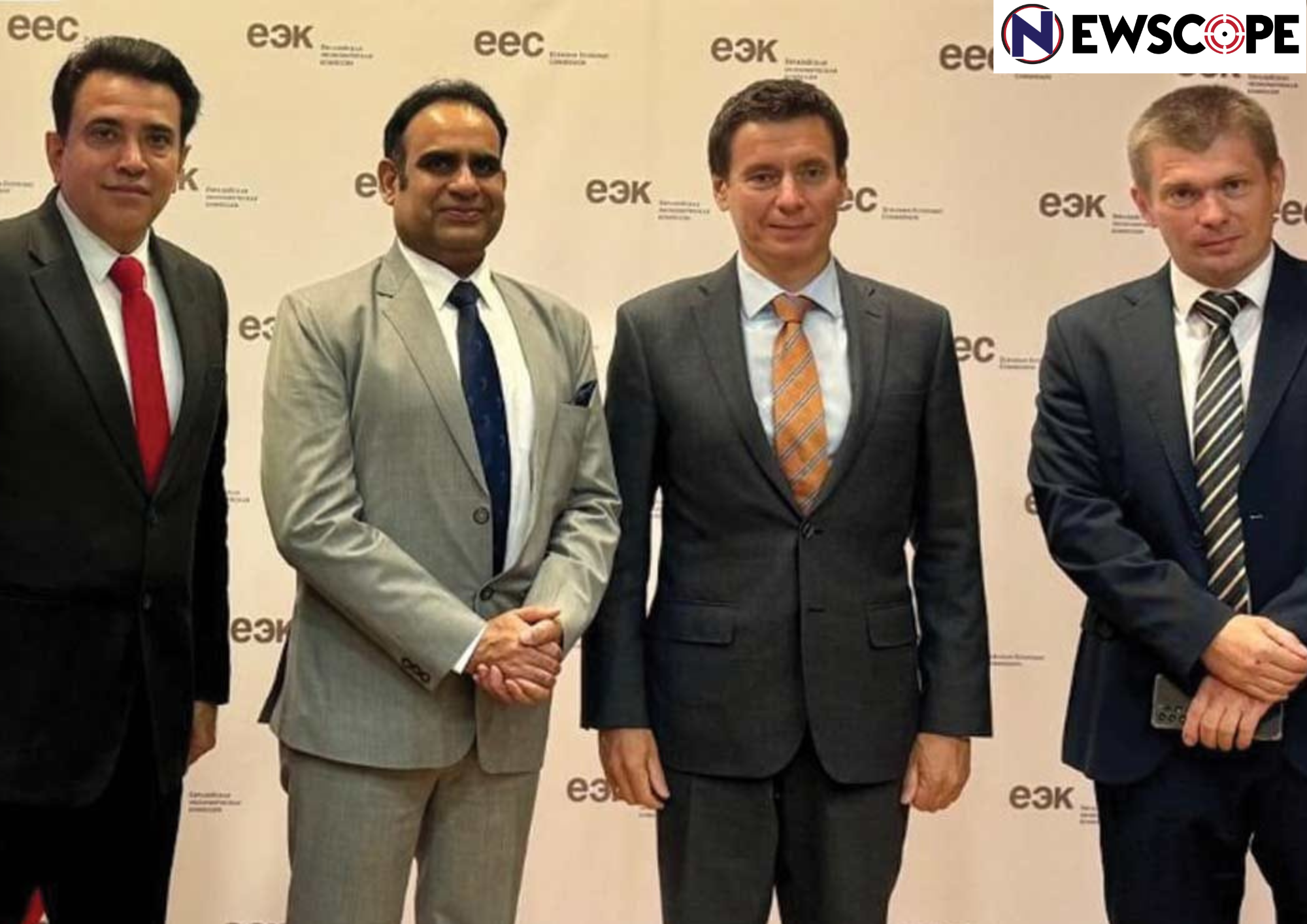
India has once again opened talks with the Eurasian Economic Union, a group of five nations led by Russia. Along with Russia, the union includes Belarus, Kazakhstan, Armenia and Kyrgyzstan. Together they form a market of more than 180 million people. For India, this is a chance to make its exports more competitive while also lowering the cost of imports.
The discussions are not entirely new. Negotiations had first begun in 2017 but were left unfinished as the world was shaken by the pandemic and other international tensions. With both sides now ready to move forward, officials are preparing to look at issues such as tariffs, customs cooperation and trade in services.
India and Russia already trade heavily. In recent years, discounted Russian oil has formed a large part of India’s energy imports. Fertilizers, metals and defense equipment also come from the region. On the export side, Indian medicines, machinery, textiles, chemicals and food items find buyers in these countries. A trade pact would likely lower costs, smoothen the process, and open new opportunities for businesses on both sides.
But the agreement is not only about business. For India, it also means building stronger links with Central Asia, a region rich in resources and positioned between Europe and Asia. For Russia and its partners, it offers a valuable bridge to Asia at a time when their economic ties with the West face difficulties.
The road ahead may not be simple. Western countries have already raised questions about India’s growing economic engagement with Russia since the Ukraine conflict. At home too, negotiators must take care that sensitive sectors like agriculture and small industries are not left exposed to sudden competition.
Even without a strict deadline, there is optimism that the talks will move faster than before. If successful, it will be India’s first major trade deal with a Russia-led bloc, strengthening cooperation not only in trade but also in energy, technology and defense.
India’s return to the table shows its intent to broaden global partnerships and create new opportunities for its people.

