


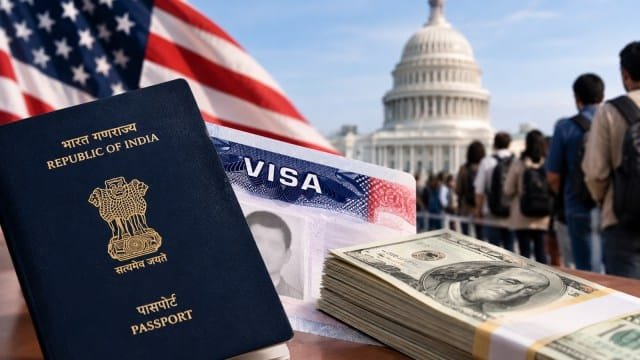
Pabitra Banerjee: The United States has rolled out a major tightening of its immigration framework, expanding its controversial visa bond program to include 50 nations whose citizens seeking B-1/B-2 business and tourist visas may now face financial bonds stretching up to $20,000. However, in a significant development for travelers across the subcontinent, India has been left entirely off the list and remains exempt from the heavy financial mandate.
Under the updated State Department directive, travelers carrying passports from the designated 50 countries could be required to post surety bonds valued at $10,000, $15,000, or $20,000, with the precise amount determined by a consular officer during individual visa interviews. While several regional neighbors including Bangladesh, Bhutan, and Nepal have been integrated into the program, Indian passport holders face no such requirements, allowing business and leisure travelers to navigate regular application channels without posting security deposits.
The program itself is anchored in overstay data sourced from the Department of Homeland Security’s Entry/Exit metrics, targeting nations with historically high rates of temporary visa non-compliance. For the countries caught under the mandate, the system imposes stringent stipulations: affected applicants must utilize specific commercial air transit corridors while barring charter flights, land borders, or maritime entries, with any violations or overstays triggering an immediate forfeiture review via immigration authorities.
While the sweeping policy aims to crack down on unauthorized extensions of stay across high-risk jurisdictions globally, India’s exclusion provides a major sigh of relief for lakhs of applicants. Trade and tourism circles note that the exemption keeps vital corporate and personal travel corridors open, preventing an abrupt financial barrier for Indian nationals heading to the United States.

