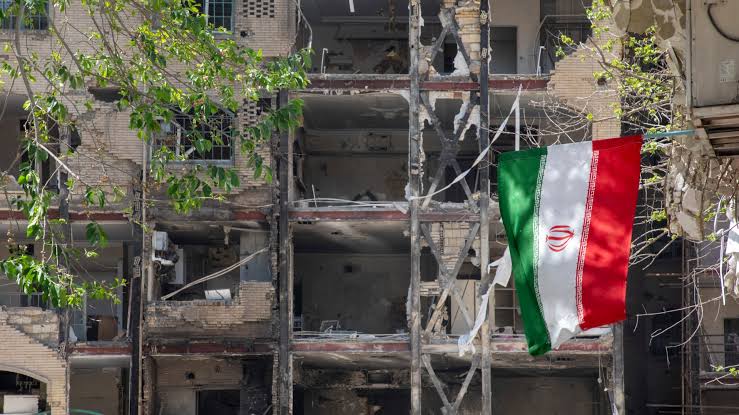
Fresh tensions have erupted between the United States and Iran after Tehran launched a retaliatory strike on a US military base following American attacks near the strategic Iranian port city of Bandar Abbas.
According to Iranian state media, the Islamic Revolutionary Guard Corps (IRGC) said it targeted an American airbase at around 4:50 a.m. local time in response to what it described as a US military attack on the outskirts of Bandar Abbas Airport.
The strike came shortly after American forces carried out operations against Iranian military assets in southern Iran.The United States had earlier launched what it called a “defensive” military action, targeting missile sites, drone infrastructure and vessels allegedly involved in threatening US forces and commercial shipping routes near the Strait of Hormuz.
US Central Command said its forces intercepted and destroyed four Iranian attack drones and struck a drone control facility near Bandar Abbas that was reportedly preparing to launch another unmanned aircraft.
Iran condemned the American operation as a violation of the fragile ceasefire and warned that any further military action would provoke a stronger response. The IRGC stated that the retaliatory attack was aimed at the base it claimed had been used to launch the earlier strike against Iranian territory.
However, Iranian authorities did not immediately disclose the exact location of the targeted US facility.The latest exchange has raised concerns over the stability of ongoing diplomatic efforts aimed at ending months of conflict between Washington and Tehran.
Negotiations involving regional mediators have continued in recent weeks, but repeated military confrontations have threatened to derail progress.
The Strait of Hormuz, through which a significant portion of the world’s oil supply passes, remains at the centre of the dispute. Any escalation in the region could have major consequences for global energy markets and international shipping.
Analysts warn that continued attacks and counterattacks risk pushing the region into a broader conflict despite both sides publicly expressing support for diplomatic solution.