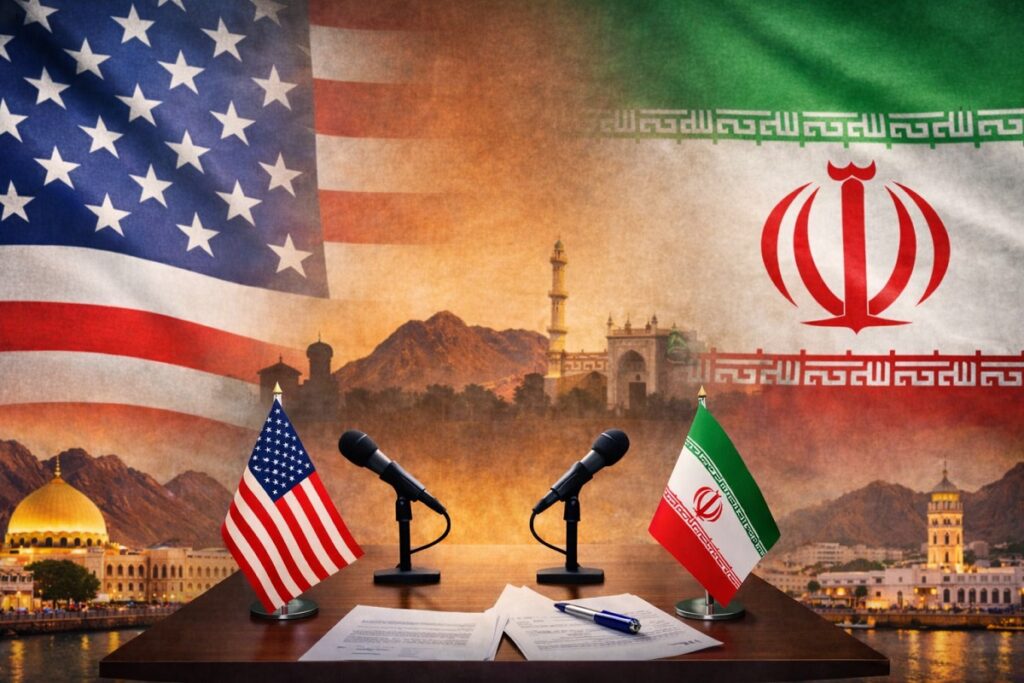
The United States and Iran signed a comprehensive memorandum of understanding on Friday to end their intense 110-day regional war, establishing a 60-day truce and throwing a vital economic lifeline to a heavily crippled Iranian regime.
The deal, finalized in Switzerland, halts active combat spanning across the Persian Gulf and Lebanon. In exchange for immediate regional de-escalation and a freeze on its nuclear advancements, Iran secured highly sought-after concessions that experts say will stave off imminent domestic economic collapse in Tehran.
Central to the agreement is the immediate waiver of U.S. sanctions targeting Iran’s heavily battered petroleum industry. Tehran will be permitted to instantly resume crude oil and petrochemical exports to global markets, reversing a strict naval blockade that had brought the Iranian economy to its knees. Furthermore, both nations committed to completely clearing the vital Strait of Hormuz of all military and technical blockades within 30 days, reopening the critical chokepoint to normal commercial shipping for the first time since early March.
Beyond immediate oil revenues, the framework dangles unprecedented financial relief. The U.S. has agreed to unfreeze approximately $24 billion in Iranian assets currently locked in international bank accounts. More controversially, the interim agreement outlines a future $300 billion international investment fund, backed by Washington and its regional partners, explicitly dedicated to Iran’s long-term economic development and reconstruction, contingent on a permanent peace accord.
While the White House defended the pact as the only viable path to avoid a multi-trillion-dollar global energy crisis, the concessions have drawn intense political blowback. Critics in Congress argue that granting immediate sanctions relief before securing permanent nuclear disarmament provides a desperate regime with the funds needed to rebuild its conventional military infrastructure.
For now, the deal serves its immediate purpose. As crude prices stabilize worldwide, the truce provides Iran with the cash injections necessary to rescue its hyper-inflated currency, marking a critical turning point in the modern geopolitical landscape