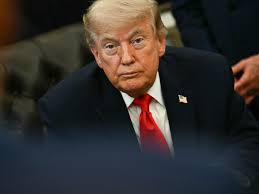
WASHINGTON — President Donald Trump declared that a landmark 60-day ceasefire and preliminary peace agreement with Iran is scheduled to be signed today, potentially marking the beginning of the end of the devastating four-month West Asia war. In a series of social media posts, Trump announced that the breakthrough memorandum of understanding would immediately reopen the blockaded Strait of Hormuz to global shipping and establish a “wall to no nuclear weapon” for Iran.
“The Deal is scheduled to get signed tomorrow, and immediately after it is signed, the Hormuz Strait is OPEN TO ALL,” Trump wrote on Truth Social. He added that under the framework, the U.S. would eventually secure and destroy Iran’s enriched uranium stockpile. Trump heavily criticized past diplomatic efforts, emphasizing that “no money will exchange hands” initially, contrasting his approach with the 2015 nuclear deal.
The framework, brokered primarily through intense mediation by Pakistan, establishes a 60-day truce designed to allow both nations to negotiate a permanent settlement. Pakistani Prime Minister Shehbaz Sharif echoed Trump’s optimism, stating on X that the sides are “closer to a peace deal than ever before” and that Islamabad is preparing for an immediate electronic signing ceremony. British Prime Minister Keir Starmer also welcomed the progress following a phone call with Trump, offering U.K. support to enforce the maritime and peace agreements.
However, a public rift over the exact timeline emerged from Tehran. While Iranian Foreign Minister Abbas Araghchi admitted that the two sides have “never been closer,” the Iranian Foreign Ministry urged caution. Spokesperson Esmaeil Baqaei explicitly pushed back against Trump’s declaration, stating that a signing would not occur today, though he did not rule it out for the coming days. Iranian state media also noted domestic friction, reporting hardline protests against the ministry’s concessions.
As global energy markets watch the volatile situation, the next 24 hours remain a critical test of whether this fragile diplomatic framework will hold.