


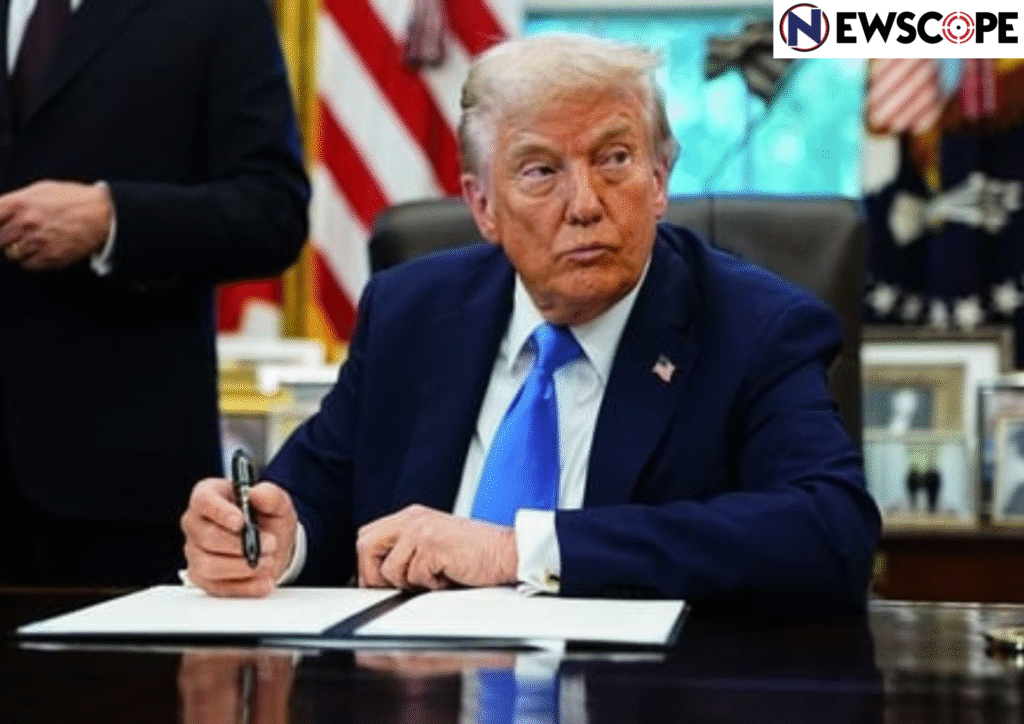
Democrat U.S. President Donald Trump has once again brought the focus back on the H-1B visa program, an arrangement that has been the savior of thousands of talented professionals, particularly from India. It is being reported that Trump is weighing the possibility of imposing annual fees on H-1B visa holders, a step which has raised concern and debate among workers, businesses, and immigration experts alike.
The H-1B program enables American businesses to hire foreign workers in professional fields, and many times these are workers in the high-tech industry. Indian engineers, IT professionals, and medical professionals have dominated the largest number of H-1B recipients for many years. They look at the visa as more than an employment permit but a beginning of establishing a new life in the United States.
Trump’s plan for imposing Rs1 crore feet may make that route more difficult. Though the precise number hasn’t been set, the proposal is to create an ongoing expense in addition to the upfront filing and legal costs that employers already pay. For businesses, particularly startups and small and mid-sized businesses, this may involve reassessing how many foreign workers they’re willing to employ. For workers, it introduces an extra layer of financial uncertainty in the already convoluted immigration process.
Critics say that such payments could deter global talent to come to the U.S., driving skilled professionals to Canada, Europe, or other nations that go out of their way to welcome immigrants. Trump supporters, however, think the action could assist in putting American workers first and cutting back on dependency on foreign labor.
For most H-1B holders, the greater concern is emotional. Beyond paper and policy, these workers are individuals with families, mortgages, and aspirations attached to their American journey. An extra economic burden feels less like policy and more like a reminder of their precarious status. As talks go on, one thing remains certain: any change in the H-1B program has a cascading effect—not only on companies, but on the lives of thousands who consider America their second home.

