


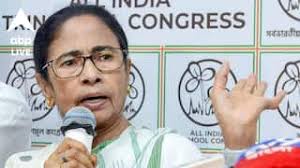
The All India Trinamool Congress (AITC) faces a grave threat of total structural dissolution following its crushing defeat in the West Bengal Assembly elections, which stripped the party of its fifteen-year rule and triggered a massive, multi-level internal mutiny. While party loyalists are desperately fighting to maintain its identity and have vehemently rejected any outside merger rumors as completely “fake news”, the scale of the ongoing desertion has moved well beyond standard political opportunism. By losing the core state power that previously held its weak institutional and non-ideological framework together, the TMC’s entire organizational hierarchy is unravelling at an extraordinary speed, mimicking a historical pattern in Bengal politics where former ruling regimes face systemic collapse rather than gradual decline after losing the mandate.
The primary threat of absolute disbandment comes from legally protected, three-fourths and two-thirds majorities that have successfully broken away in both the state legislature and the national Parliament, bypassing the traditional penalties of the anti-defection law. In the West Bengal Assembly, a rebel faction of nearly 60 out of 80 newly elected TMC MLAs—led by Ritabrata Banerjee—has claimed to be the “real” TMC legislative party and secured recognition from the Speaker, isolating Mamata Banerjee’s loyalists into a minor rump. Simultaneously, the rebellion has paralyzed the central leadership in New Delhi, where veteran leader Kakoli Ghosh Dastidar has led a dramatic breakaway of 20 out of 28 TMC Lok Sabha MPs to form a separate parliamentary bloc that supports the national ruling alliance. With key organizational pillars like Rajya Sabha MPs Sushmita Dev and Sukhendu Sekhar Ray resigning in tandem, the party is effectively fracturing from the village councils up to the highest houses of Parliament.
Whether the Trinamool Congress is officially disbanded or legally stripped of its name now rests heavily on an impending procedural and judicial battle. If the rebel legislative and parliamentary blocs successfully merge with an existing political entity or formally file for recognition before the Election Commission, they possess the critical numbers required to stake a claim over the party’s historic name, flag, and iconic “twin flowers” symbol. This mirrors recent national precedents where breakaway factions successfully captured the official identity of a regional party from its original founders. Even if Mamata Banerjee’s fierce legal counter-maneuvers preserve the name in court, a severely diminished TMC stripped of its legislative majority, grassroots cadres, and organizational funding will find it nearly impossible to endure as anything more than a sentimental footnote in India’s political history.

