


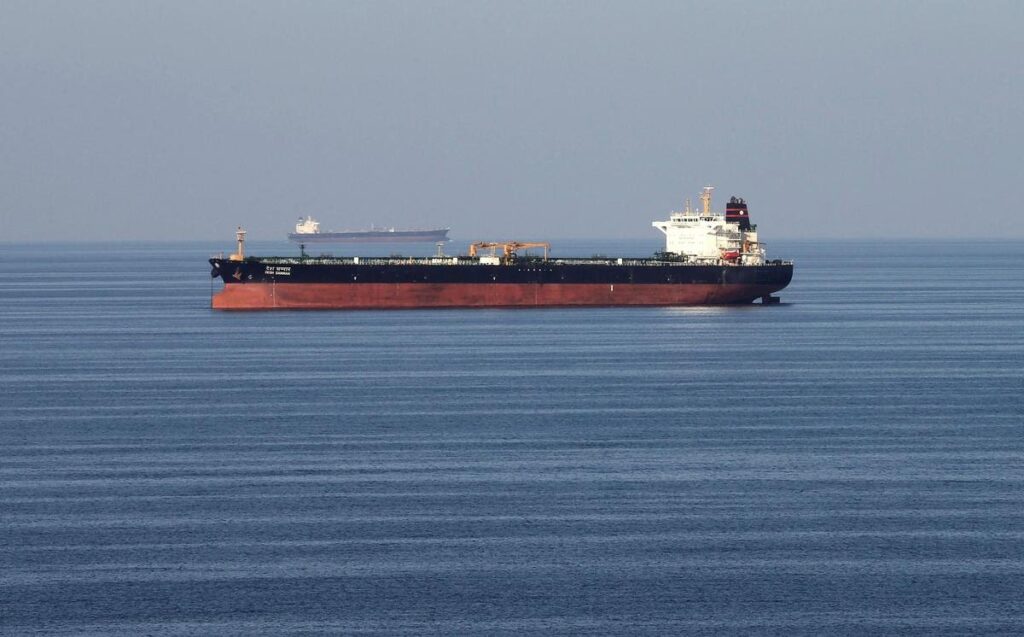
The global energy market currently finds itself in a state of high anxiety, staring down a narrow strip of water that separates the Persian Gulf from the open ocean.
The Strait of Hormuz, a geographical “chokepoint” barely twenty-one miles wide at its narrowest point, has once again become the focal point of international concern. As geopolitical tensions escalate between Iran, Israel, and the United States, the threat of a closure or a significant disruption to this waterway is sending ripples of fear through global markets, with analysts warning of a potential explosion in crude oil prices.
The primary issue at stake is the sheer volume of energy that relies on this single passage. Approximately one-fifth of the world’s daily oil consumption—roughly 20 million barrels—must pass through the Strait to reach international buyers. It serves as the primary exit route for the world’s biggest petroleum producers, including Saudi Arabia, Iraq, Kuwait, and the United Arab Emirates.
Furthermore, it is a vital artery for liquefied natural gas, particularly from Qatar. Because there are no viable, high-capacity land-based pipelines that can fully bypass this route, any blockage would effectively trap a massive portion of the world’s energy supply, creating an immediate and catastrophic global shortage.
The mechanism of rising prices is driven by more than just the physical availability of oil; it is also fueled by the escalating costs of trade and psychological market panic. Even without a total blockade, increased military activity in the region forces shipping companies to pay exorbitant insurance premiums to cover the risk of their tankers being seized or attacked.
These “war risk” surcharges, combined with higher freight costs, are directly passed on to the consumer. For a country like India, which imports over 80% of its crude oil and relies heavily on Middle Eastern suppliers, the stakes are uniquely high.
A sustained spike in oil prices would bloat the national import bill, weaken the currency, and trigger domestic inflation, proving that a conflict in the Middle East has direct financial consequences for households thousands of miles away. Ultimately, the Strait remains a fragile link in the global supply chain, where political instability can instantly translate into a worldwide economic crisis.

